
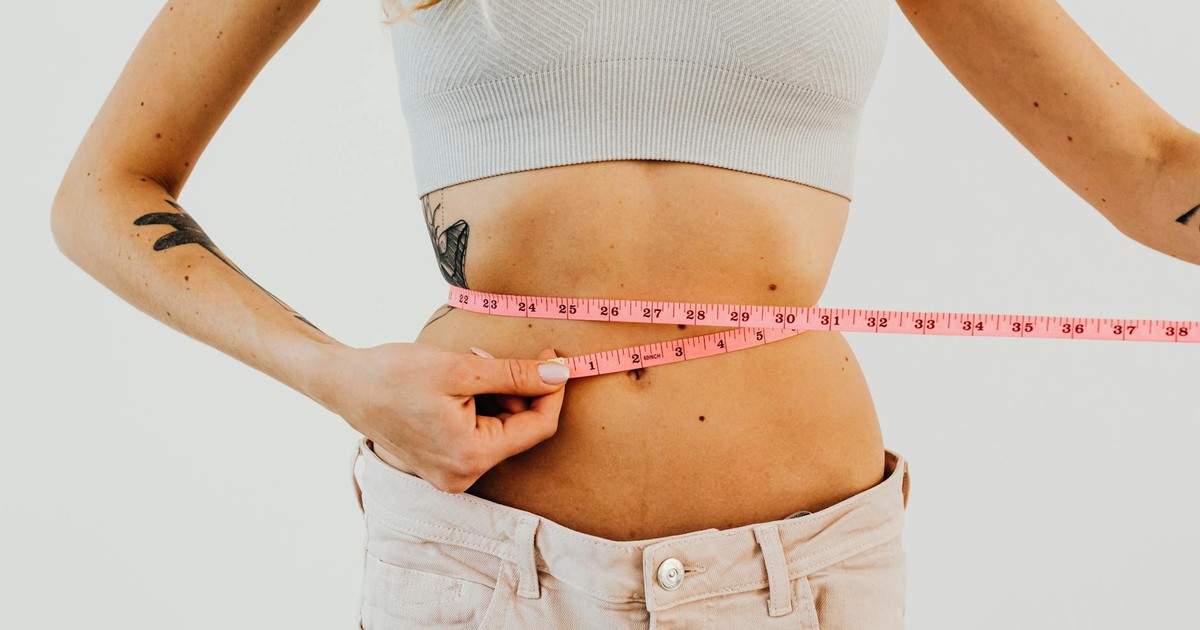
Grab a tape measure—it might just be one of the most important tools in your wellness toolkit. Measuring your waist isn’t about fitting into a smaller size; it’s a straightforward way to gauge your risk for serious health conditions. Research consistently links abdominal fat to higher chances of developing type 2 diabetes, high blood pressure, high cholesterol, and heart disease. To get an accurate reading, place the tape at the top of your hip bone, wrap it around your body level with your belly button, and ensure it’s snug but not tight. Keep it straight across your back, breathe normally, and check the number after you exhale. Remember, what’s considered healthy can vary based on factors like gender, height, frame, age, and ethnicity.
Health organizations use different methods to assess abdominal obesity, including waist circumference alone, waist-to-hip ratio, and waist-to-height ratio. Each offers unique insights, but they all underscore a critical point: belly fat isn’t just a cosmetic concern—it’s a metabolic one.
The Hidden Dangers of Belly Fat
Your waist size serves as a reliable indicator of how much fat you’re carrying around your midsection. Large-scale studies have demonstrated a strong connection between abdominal obesity and an increased risk of high blood pressure, high cholesterol, heart disease, and type 2 diabetes. This risk persists even for individuals whose body mass index (BMI) falls within the healthy range.

Part of this belly fat is visceral fat, which wraps around internal organs like the liver. Unlike subcutaneous fat, visceral fat is metabolically active, releasing fats, hormones, and inflammatory chemicals into your bloodstream. This ongoing inflammation is believed to contribute to the development of chronic diseases, including heart disease and diabetes.
When it comes to heart disease, high levels of belly fat are a significant risk factor. For diabetes, the inflammatory hormones produced by visceral fat can lead to insulin resistance, where your body doesn’t respond properly to insulin. This can result in elevated blood sugar levels, prediabetes, and ultimately type 2 diabetes.
What Counts as a Healthy Waist Size?
Experts universally agree that excess belly fat poses health risks, but major health organizations differ in how they define a healthy waist size. The National Heart, Lung and Blood Institute (NHLBI) and the American Heart Institute (AHI) focus solely on waist measurement, setting thresholds at 35 inches or less for women and 40 inches or less for men. The International Diabetes Federation (IDF) offers slightly stricter guidelines: 31.5 inches or less for women (31.4 inches for Chinese, Japanese, and South Asian women) and 35.5 inches or less for men (35.4 inches for Chinese, Japanese, and South Asian men).
Another approach is the waist-to-hip ratio, favored by the World Health Organization (WHO). This method compares your waist circumference to your hip measurement, with abdominal obesity defined as a ratio exceeding 0.85 for women and 0.9 for men. To calculate it, measure your waist at its narrowest point and your hips at their widest, then divide the waist measurement by the hip measurement.
Given the variability in waist and hip measurements across different genders, ages, and ethnicities, some experts advocate for the waist-to-height ratio as a more consistent measure. To find this ratio, divide your waist measurement in inches by your height in inches. A result over 0.5—meaning your waist is more than half your height—indicates a higher risk for health problems. You can even use a simple string: measure your height with it, fold it in half, and see if it wraps comfortably around your waist. If it doesn’t, you might have unhealthy levels of belly fat.
Beyond BMI: Why Waist Size Offers a Clearer Picture
BMI, calculated from weight and height, is often used as a quick health assessment, with values over 25 suggesting overweight status. However, it’s an imperfect tool. Primarily based on data from white males, BMI doesn’t account for differences in gender, race, or ethnicity. It can be inaccurate for muscular individuals or those at extreme heights. A high BMI doesn’t always correlate with health risks, and a larger waist doesn’t necessarily mean a higher BMI.

That’s why many healthcare providers consider waist size, or a combination of waist size and BMI, to be a more accurate indicator of health risks than BMI alone. One notable study found that women with BMIs under 25 faced a higher risk of dying in middle age if they carried excess fat around their waists. “Normal weight” women with waists of 35 inches or larger were three times more likely to die from heart disease compared to their counterparts with smaller waists.
Strategies for a Healthier Waistline
You can’t target fat loss in specific areas like your waist through exercises alone. While crunches and core workouts strengthen abdominal muscles, reducing waist size requires overall weight loss. This involves consuming fewer calories and increasing physical activity to burn more energy.
Key Insights to Remember
Your waist circumference is a valuable marker of belly fat, which is linked to elevated risks of high blood pressure, high cholesterol, heart disease, and type 2 diabetes. While some experts rely on waist measurement alone to identify abdominal obesity, others incorporate height or hip measurements for a more nuanced view. In general, a healthy waist measurement is one that’s half your height or less.
Common Questions Answered
How do I measure my waist correctly? Use a measuring tape placed flat against your skin at the smallest part of your waist. Avoid holding your breath or sucking in your stomach.
What’s considered a normal waist size? For many, it’s 35 inches or less for women and 40 inches or less for men, though some experts adjust for height or hip measurements.
Does waist size directly reflect body fat? It’s possible to have a large waist without being overweight. Even with a healthy overall weight, excess belly fat increases your risk for conditions like heart disease and diabetes.
What’s a healthy waist size relative to my height? Doctors typically recommend keeping your waist measurement at or below half your height.