
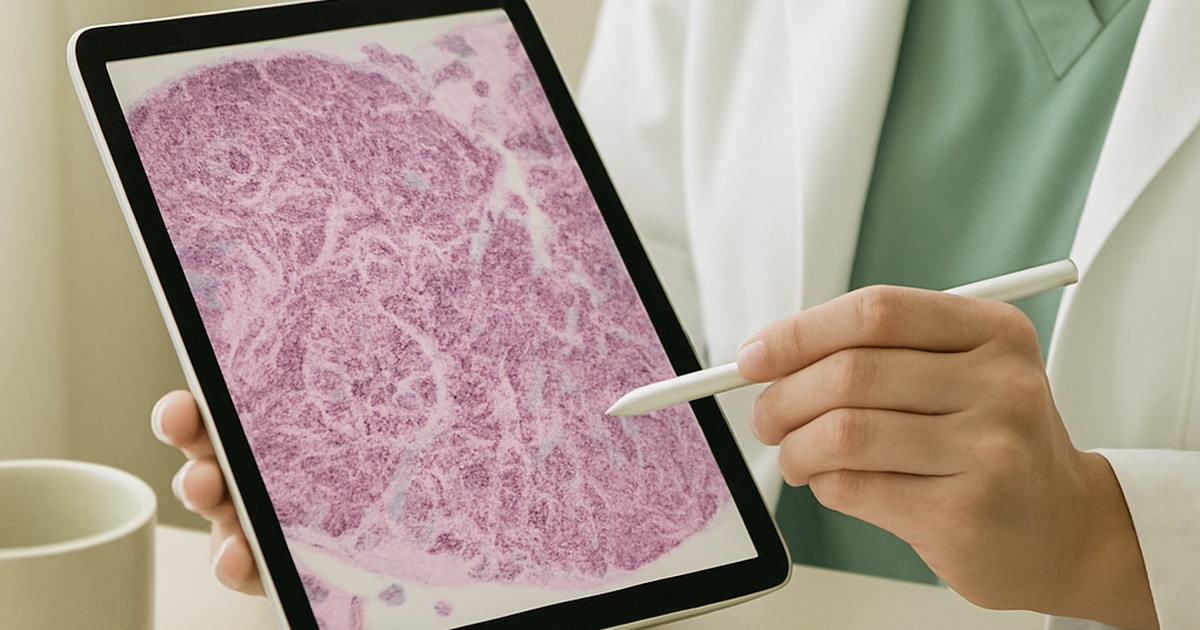
In a significant move for the intersection of artificial intelligence and healthcare, Valar Labs has announced that its Vesta Bladder Risk Stratify Dx has earned the first-ever Breakthrough Device Designation from the U.S. Food and Drug Administration (FDA) for an AI-driven digital pathology tool. This designation marks a pivotal moment, not just for Valar Labs as a company but for the entire field of AI in pathology, setting a new precedent in how AI can be leveraged to tackle complex medical challenges. The FDA’s decision underscores the urgency and importance of finding more accurate prognostic tools for bladder cancer, a disease notorious for its high recurrence rates. This article delves into the implications of this breakthrough, the context surrounding Vesta’s development, and what this signifies for the future of medical diagnostics and patient care.
Context
The journey of Valar Labs to this pivotal moment is rooted in a profound need within oncology: improving prognostic accuracy in bladder cancer. Bladder cancer, affecting thousands annually, presents a unique challenge because of its exceptionally high recurrence rate, with more than half of patients experiencing a return of the disease within five years of initial treatment. Traditional methods of stratifying risk, such as pathologist-assigned grades and molecular subtyping, have long been the standard. However, these approaches often leave a significant number of patients in a gray area, where treatment decisions are subjective and outcomes unpredictable. This uncertainty has driven the demand for more reliable tools that can offer precise risk assessments.
Vesta represents a culmination of years of advanced research in deep learning and digital pathology. By training on digitized whole-slide histopathology images, Vesta can provide a prognostic score that categorizes patients by their likelihood of disease recurrence. This technology not only enhances accuracy but also empowers clinicians with data-driven insights, potentially transforming how bladder cancer is managed. The FDA’s Breakthrough Device Designation is particularly newsworthy because it aligns with the agency’s broader initiative to integrate AI into medical diagnostics, a push that has previously seen more traction in radiology than pathology.
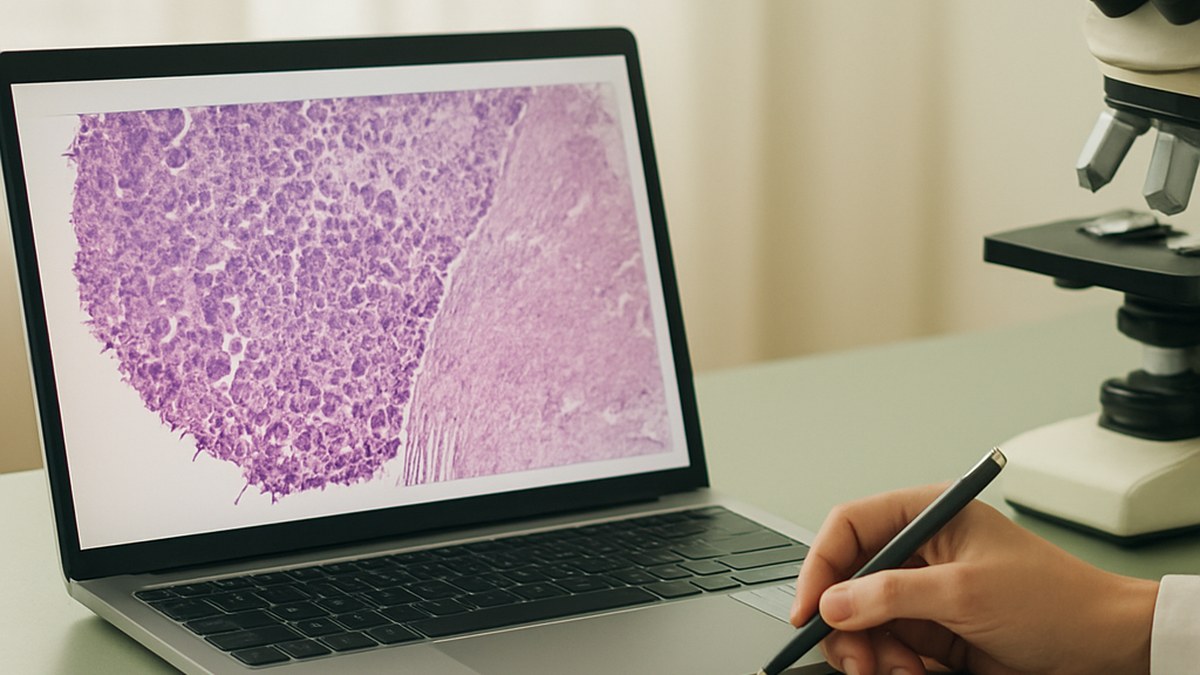
The strategic timing of this announcement is no coincidence. In recent years, the FDA has been increasingly open to innovative technologies that address unmet clinical needs, and Valar Labs’ achievement with Vesta signals a new direction for AI in healthcare. The designation accelerates Vesta’s regulatory pathway, ensuring that this promising tool reaches clinical practice swiftly and sets a benchmark for other AI innovations in pathology.
What Happened
On Tuesday, Valar Labs revealed that the FDA had granted Breakthrough Device Designation to their AI-powered prognostic test, Vesta Bladder Risk Stratify Dx. This designation, a first for any AI-based digital pathology tool in oncology, highlights the FDA’s recognition of Vesta’s potential to fill a critical gap in bladder cancer treatment protocols. Bladder cancer patients, who often face a 50-70% chance of recurrence within five years post-treatment, can now benefit from a more precise prognostic assessment offered by Vesta.
The FDA’s Breakthrough Device Designation is designed to expedite the regulatory review process for devices that offer significant advantages over existing approved alternatives. In the case of Vesta, the deep-learning model analyzes digital pathology images to predict recurrence risk, thus offering a more nuanced understanding of a patient’s prognosis than traditional methods. This move by the FDA sets a precedent for other AI-driven pathology tools, which have lagged behind their radiology counterparts in receiving regulatory support.
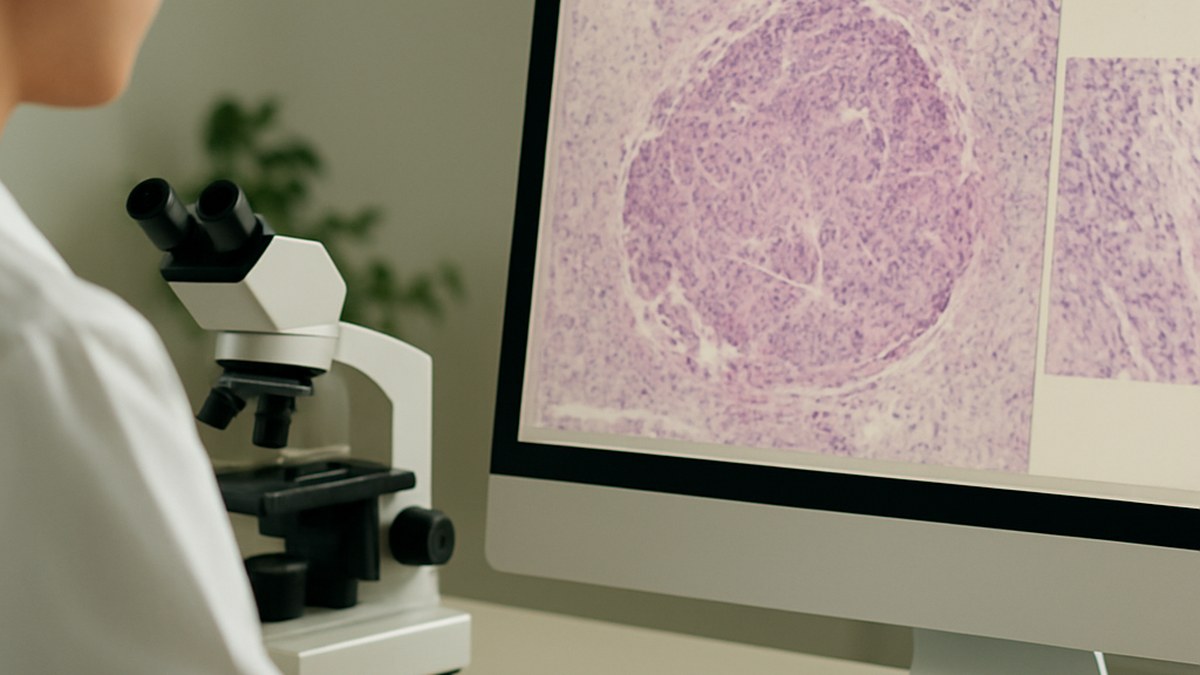
Valar Labs CEO, Dr. Elena Greer, commented in a press release, “We are thrilled that the FDA sees the transformative potential of Vesta in redefining patient outcomes in bladder cancer treatment. This designation not only accelerates our path to bringing Vesta to clinicians but also validates the critical need for innovation in digital pathology.” The breakthrough status ensures prioritized resource allocation from the FDA, facilitating a faster review process and potentially shortening the time to market for Vesta. This milestone could encourage more startups and researchers to pursue similar paths, bolstering the development of AI technologies in pathology.
Why It Matters
The ripple effects of Vesta’s FDA Breakthrough Device Designation extend far beyond Valar Labs, ushering in an era where AI becomes a cornerstone of pathology. The traditional landscape of cancer diagnostics, particularly in bladder cancer, has long suffered from limitations in predictive accuracy. Vesta’s ability to stratify patients based on recurrence risk is poised to change that, offering more tailored and effective treatment strategies. This marks a significant advancement in personalized medicine, where treatment plans can be customized based on detailed AI-generated insights.
For clinicians, the availability of Vesta translates to more informed decision-making. By reducing the ambiguity inherent in traditional risk stratification, Vesta empowers healthcare providers to tailor interventions more precisely, potentially improving patient outcomes and optimizing resource allocation. This is particularly crucial in oncology, where treatment regimens can vary significantly in intensity and cost, depending on the perceived risk of disease progression.
The designation also places Valar Labs at the forefront of a burgeoning field, inspiring other AI companies to innovate within the pathology domain. As the first pathology-focused AI tool to receive breakthrough status, Vesta paves the way for more digital pathology solutions to seek and secure similar regulatory endorsements. This could lead to a proliferation of AI applications across various types of cancer and other diseases, ultimately enhancing diagnostic precision and patient care on a broader scale.
How We Approached This
In crafting this article, Modern Health Weekly focused on highlighting the transformative potential of AI in the medical field, particularly in digital pathology. We consulted a variety of sources, including FDA announcements, Valar Labs’ press releases, and expert analyses from leading oncologists. Our editorial approach emphasizes the significance of regulatory developments as pivotal moments that can shape the trajectory of medical innovation.
We chose to emphasize the broader implications of Vesta’s breakthrough designation for the field of AI in healthcare. While other publications may focus narrowly on the technical features of AI models, our coverage is designed to provide a comprehensive view of how such innovations can impact clinical practice and patient outcomes. This lens allows our readers to appreciate not just the technological advances, but also their real-world applications and potential to revolutionize healthcare.
Frequently Asked Questions
What makes Vesta unique in the field of digital pathology?
Vesta stands out due to its use of deep learning algorithms to analyze digitized whole-slide histopathology images. Unlike traditional methods, which rely heavily on subjective interpretation, Vesta offers a data-driven prognostic score that stratifies patients by recurrence risk, significantly enhancing accuracy and reliability in bladder cancer prognosis.
How does the FDA’s Breakthrough Device Designation benefit Vesta?
The Breakthrough Device Designation allows Vesta to receive a prioritized review process, which can significantly shorten the time to market. It also means Vesta will receive more frequent interactions with the FDA, ensuring any regulatory hurdles are addressed swiftly, facilitating a faster transition from development to clinical application.
What are the broader implications for AI in healthcare following this designation?
Valar Labs’ achievement signals a growing acceptance and integration of AI in medical diagnostics, especially within digital pathology. This breakthrough paves the way for other AI-driven applications to pursue similar regulatory paths, potentially leading to a wave of innovations that enhance diagnostic accuracy, personalize treatment strategies, and improve patient outcomes across various medical fields.
As the landscape of healthcare continues to evolve, the breakthrough designation awarded to Valar Labs’ Vesta Bladder Risk Stratify Dx is a harbinger of significant changes to come. This milestone not only underscores the potential of AI in enhancing medical diagnostics but also sets a precedent for future innovations in the field. As more AI-driven tools emerge, the healthcare industry could see improved precision in diagnostics and treatment, leading to better patient outcomes and a more efficient healthcare system overall.