
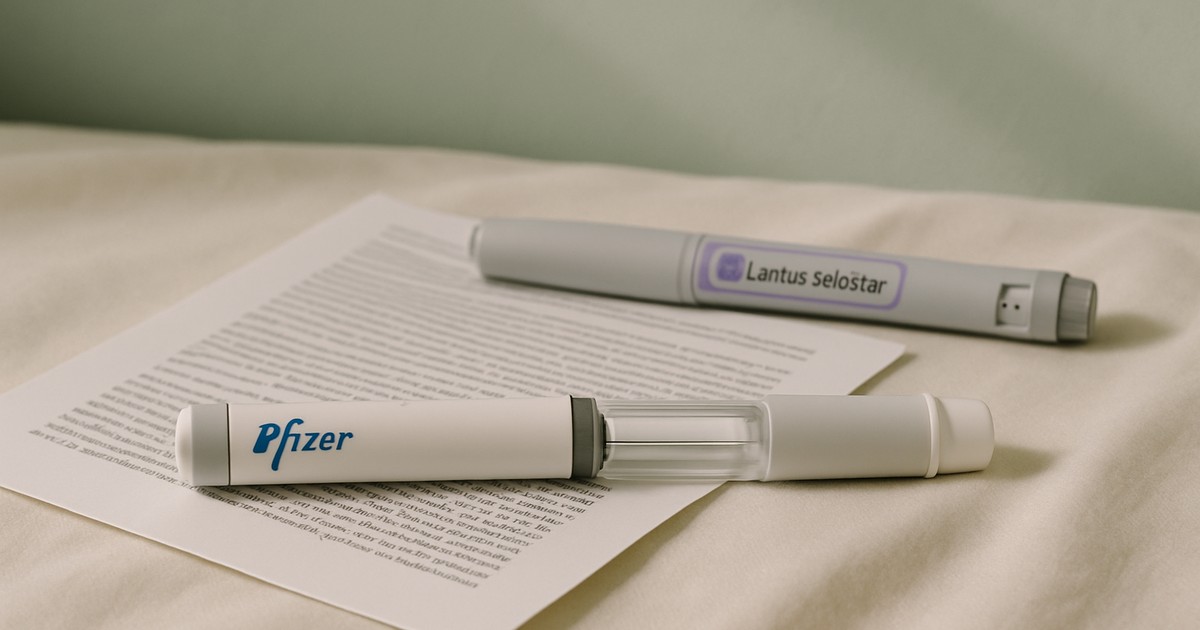
Pfizer has announced the promising results of its Phase 3 clinical trial for the once-weekly insulin efsitora alfa in the prestigious New England Journal of Medicine. The study revealed that efsitora is non-inferior to the widely-used daily insulin glargine, marketed as Lantus, in reducing glycated hemoglobin (HbA1c) levels over a 52-week period. Conducted with 3,100 adults suffering from type 2 diabetes, the trial has met its primary endpoint, indicating a significant advancement in diabetes management. The once-weekly dosing regimen is expected to improve patient adherence dramatically, a critical factor given the World Health Organization’s estimates that suggest nearly half of insulin-dependent patients miss at least one dose per week. As Pfizer gears up for an FDA filing in the third quarter of 2026, this development could herald a new era in diabetes care, offering a more convenient and effective solution for millions worldwide.
Context
The landscape of diabetes treatment has long been dominated by daily insulin injections, a regimen that can be burdensome for patients. The advent of insulin therapies like glargine marked a significant improvement by offering long-acting options, yet the daily commitment remains a barrier for many. The introduction of efsitora alfa by Pfizer and its direct competitor, Novo Nordisk’s once-weekly insulin icodec, represents a pivotal shift in how diabetes could be managed. The race to innovate in this space is fueled by the pressing need to improve adherence and outcomes, with pharmaceutical giants striving to minimize the daily burdens patients face.
The concept of reducing the frequency of insulin administration is not merely about convenience; it has profound implications for patient engagement and overall treatment efficacy. Historically, adherence to prescribed insulin regimens has been suboptimal, hindering the management of diabetes and leading to severe health consequences. By offering a weekly solution, companies aim to enhance the quality of life for patients while also improving clinical outcomes. This approach aligns with broader efforts within the healthcare industry to make chronic disease management more accessible and less invasive.

This week holds particular significance as Pfizer releases data that could reshape treatment paradigms. With the impending FDA submission and the recent approval of Novo Nordisk’s Awiqli in the EU, the competitive landscape is tightening. These developments underscore the industry’s commitment to harnessing scientific advancements to meet the evolving needs of patients. The global focus is on ensuring that innovations are not only scientifically sound but also practically beneficial, making the timing of these announcements especially pertinent for stakeholders in the healthcare sector.
What Happened
In the detailed Phase 3 study results published today, Pfizer’s efsitora alfa was shown to be non-inferior to the daily insulin glargine, Lantus, in achieving glycemic control. The trial, conducted over a year, involved 3,100 participants with type 2 diabetes, with results indicating a reduction in HbA1c levels by 1.28% in the efsitora group compared to a 1.19% reduction in the Lantus cohort. These findings underscore the efficacy of efsitora as a potentially game-changing therapy in diabetes management.
The rates of hypoglycemia, a common and dangerous side effect of insulin therapy, were similar between the efsitora and Lantus groups, addressing a key safety concern that often accompanies new insulin formulations. This parity is particularly notable given the novel dosing schedule of efsitora, which could have posed unique risks. Ensuring that the new therapy does not increase the risk of hypoglycemia was a pivotal aspect of the trial’s design and outcome.

Pfizer anticipates filing for FDA approval in the third quarter of 2026, a timeline that highlights the strategic importance of these findings. The company is positioning itself to compete directly with Novo Nordisk’s icodec, which recently secured approval in the European Union under the trade name Awiqli. The ongoing competition between these pharmaceutical giants reflects the high stakes involved in capturing market share in the lucrative insulin market, which is poised for transformation as these new therapies gain traction.
Why It Matters
The introduction of once-weekly insulin therapies like efsitora alfa has the potential to address one of the most significant challenges in diabetes care: patient adherence. Current statistics from the World Health Organization show that approximately 50% of patients on insulin miss doses, primarily due to the burdensome nature of daily injections. By reducing the frequency of administration, efsitora could significantly enhance adherence rates, leading to better glycemic control and, consequently, fewer diabetes-related complications.
Beyond patient adherence, the shift to weekly insulin could also have substantial economic implications. Improved adherence typically results in fewer hospitalizations and complications, which translates to reduced healthcare costs. For healthcare systems strained by the rising incidence of diabetes and related comorbidities, such advancements are crucial. The potential cost savings make these innovative therapies attractive not only to patients and healthcare providers but also to insurers and policymakers seeking sustainable solutions.
Moreover, the anticipated regulatory approval and subsequent market availability of efsitora could stimulate further research and development within the pharmaceutical industry. As companies observe the market’s reception and the impact on patient outcomes, it is likely that additional once-weekly or even less frequent insulin formulations could emerge. This progression would represent a significant advancement in the broader effort to manage chronic diseases with greater efficacy and fewer burdens on patients.
How We Approached This
In crafting this article, we relied on the comprehensive data published in the New England Journal of Medicine, supplemented by insights from leading endocrinologists and diabetes care specialists. Our editorial focus was on the implications of the trial’s findings rather than the technical details alone, aiming to provide a holistic view of what efsitora means for the future of diabetes management.
We prioritized clarity and accessibility, ensuring that our readers can appreciate both the scientific rigor of the study and its practical relevance. By highlighting the comparative aspects between efsitora and existing therapies like Lantus, we sought to convey the potential benefits of this new treatment option in a way that resonates with both healthcare professionals and patients. Our analysis excluded overly technical jargon to maintain focus on the article’s core message of innovation and improved adherence.
Frequently Asked Questions
What is insulin efsitora alfa?
Insulin efsitora alfa is a once-weekly insulin therapy developed by Pfizer, designed to manage blood glucose levels in adults with type 2 diabetes. Unlike traditional daily insulin injections, efsitora offers a more convenient dosing schedule, potentially improving adherence and overall treatment efficacy. Its development reflects ongoing efforts to enhance patient outcomes while reducing the daily burden of diabetes management.
How does efsitora compare to Lantus in clinical trials?
In the Phase 3 clinical trial, efsitora demonstrated non-inferiority to Lantus, a widely-used daily insulin, in reducing HbA1c levels over 52 weeks. The study involved 3,100 adults with type 2 diabetes and showed a 1.28% reduction in HbA1c for efsitora compared to 1.19% for Lantus. Hypoglycemia rates were similar between the two groups, indicating that efsitora is as safe and effective as Lantus for managing blood glucose levels.
When will efsitora be available to patients?
Pfizer plans to file for FDA approval of efsitora in the third quarter of 2026. If approved, the once-weekly insulin could be available to patients in the United States shortly thereafter. This timeline positions efsitora to potentially compete with Novo Nordisk’s icodec, which has already been approved in the European Union, as pharmaceutical companies race to bring innovative diabetes treatments to market.
The introduction of once-weekly insulin therapies like efsitora alfa marks a significant milestone in diabetes care. By providing a more manageable dosing schedule, it has the potential to transform the lives of millions who struggle with daily injections. As we look toward the future, the development and approval of such therapies are likely to inspire further innovations in diabetes management, ultimately aiming to reduce the burden of this chronic disease for patients and healthcare systems alike. The path forward will be shaped by ongoing research and the adoption of these novel treatments, paving the way for a new standard in diabetes care.