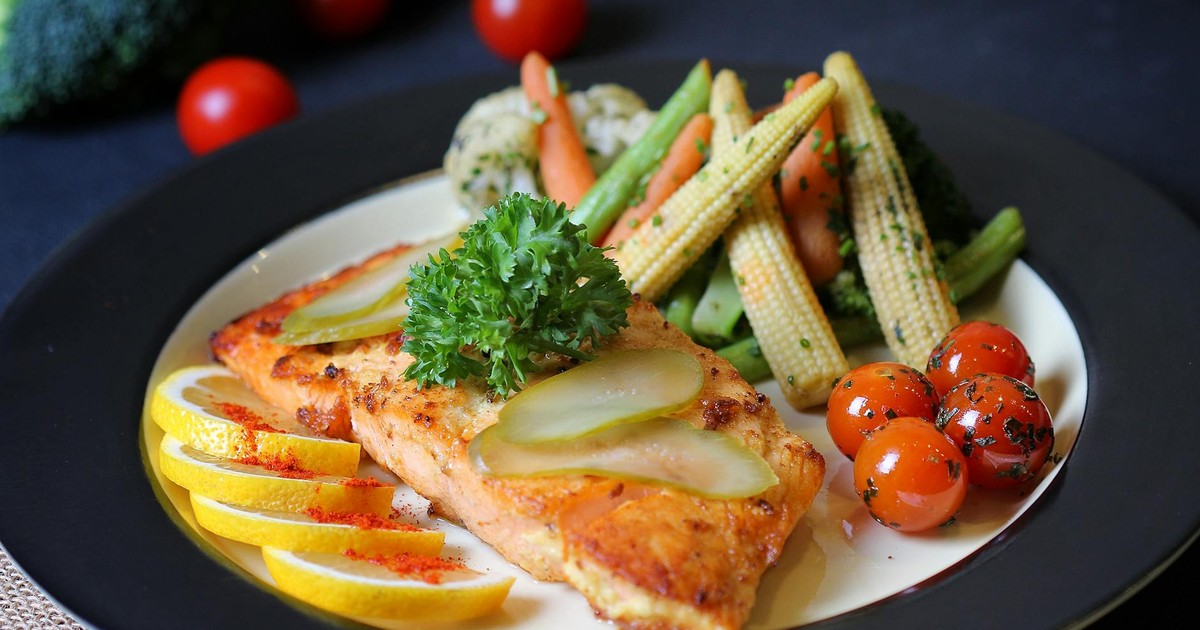
Created by cardiologist Robert Atkins, the Atkins diet is a nutritional approach that emphasizes reducing carbohydrate intake while increasing consumption of fats and proteins. This method aims to shift your metabolism to burn stored body fat for energy, a process known as ketosis. Imagine starting your day with bacon and eggs, enjoying smoked salmon with cream cheese for lunch, and savoring a butter-cooked steak for dinner—all while working toward weight loss. If such meals appeal to you more than traditional low-calorie diets, this plan might be a fit. You’ll need to learn to limit carbs, but in return, you can indulge in a variety of flavorful options without feeling hungry or deprived. Modern iterations of the diet, such as Atkins 40, place greater emphasis on lean proteins, healthy fats, and fiber-rich vegetables, making it more adaptable than earlier versions.
When following the Atkins diet, your plate will center around proteins and fats. Key foods include meat, poultry, seafood, eggs, butter, oils, and cheese. On the other hand, you’ll avoid starchy and sugary carbohydrates like bread, pasta, potatoes, chips, cookies, and candy. Initially, carbs are limited to non-starchy vegetables, but as you progress through the phases, you can reintroduce items such as beans, legumes, fruits, and whole grains. The Atkins 40 plan offers a more flexible start, allowing up to 40 grams of carbs daily without excluding any food groups outright, unlike the stricter Atkins 20. While there are no strict limits on protein intake, moderation is advised for fats like butter.
The standard Atkins diet, often referred to as Atkins 20, unfolds in four distinct phases. Phase 1 kicks off the journey by restricting carbs to just 20 grams per day from vegetables, helping your body enter ketosis and often leading to rapid weight loss. Some individuals, such as vegans, may begin at Phase 2 to accommodate their dietary preferences. In Phase 2, you gradually add foods back to determine your personal carb threshold for continued weight loss. Phase 3 is reserved for when you’re within about 10 pounds of your goal, focusing on maintenance and shedding those final pounds. Finally, Phase 4 is a lifelong commitment to prevent weight regain, ensuring the habits you’ve built stick for good.
Comparing the Atkins diet to the ketogenic (keto) diet reveals similarities, as both prioritize fat consumption while minimizing carbs. However, on the keto diet, fat can comprise up to 90% of daily calories, whereas Atkins 20 caps it at around 70%. Research on the long-term safety and efficacy of keto remains inconclusive, with doctors primarily recommending it to reduce seizures in children with epilepsy. In contrast, the Atkins diet has evolved to include more balanced approaches, such as emphasizing plant-based fats and proteins for better health outcomes.
Adopting the Atkins diet doesn’t require counting calories, attending meetings, or purchasing special foods, but it does demand significant changes to your eating habits, especially if you’re accustomed to starchy meals or sugary snacks. You’ll need to eliminate white flour, sugar, and similar carbs initially, focusing instead on vegetable-based carbohydrates. Cooking from scratch is ideal, and if you opt for prepared foods, diligent label-reading is essential to avoid hidden sugars and carbs in items like lunchmeat and salad dressings. While Atkins-brand products are available, they’re not necessary. Dining out involves choosing Atkins-friendly options and inquiring about carb content to stay on track.
Exercise isn’t mandatory for weight loss on the Atkins diet, but incorporating at least 30 minutes of daily activity is recommended for overall health. If you’ve been inactive or have medical concerns, consulting a doctor first is wise. The diet also accommodates various lifestyles: vegetarians can source protein from eggs, cheese, soy, nuts, seeds, legumes, and grains like quinoa, while vegans rely on plant-based options. It aligns well with gluten-free diets, as high-carb gluten foods are limited, and it supports low-salt eating by avoiding added salt and processed foods.
Pros of the Atkins diet include potential rapid weight loss in the initial weeks, with the Atkins website noting a typical loss of 1-2 pounds. It may also help manage or reverse conditions like diabetes, high blood pressure, and heart disease, though this benefit is common with many weight-loss diets. On the downside, research indicates that weight regain is likely, similar to other diets. Excessive animal fat intake could increase risks of heart disease and cancer, and carb reduction might cause side effects such as headache, dizziness, weakness, fatigue, and constipation.
Cost-wise, the Atkins diet is budget-friendly, with no membership fees or mandatory branded foods. Free online tools, smartphone apps, and resources like the Atkins website offer support through groups, chat rooms, recipes, meal trackers, and carb counters. As Dr. Arefa Cassoobhoy points out, the diet can be effective for those over-reliant on processed carbs, providing a structured jump-start. The Atkins 20 plan begins with limited choices but expands through phases, while Atkins 40 offers more variety from the start. Portion control remains key, as low-carb diets can help curb hunger.
For individuals with specific health conditions, weight loss from the Atkins diet may improve overall health, but the long-term impacts of high animal protein and fat are unclear. Recent studies suggest better outcomes for those choosing plant-based fats and proteins, a principle reflected in modern Atkins plans that promote heart-healthy options like olive oil, soy, and lentils. If you have diabetes, heart disease, kidney disease, or high cholesterol, consulting a doctor is crucial to tailor the diet’s balance of carbs, fats, and proteins to your needs.
In summary, the Atkins diet offers structure for cutting calories and achieving weight loss by limiting starchy, sugary carbs. Emphasizing plant-based proteins and fats is a smart move for long-term wellness. Transitioning from the initial Atkins 20 to later phases, particularly Atkins 40, introduces food variety essential for health. Combining this with regular exercise and mindful portions when reintroducing nuts, seeds, beans, fruits, starchy vegetables, and whole grains can support sustainable results.
Frequently asked questions address common concerns: Is the Atkins diet healthy? According to the Atkins website, it can support weight loss, energy gain, and improved health markers, but careful planning is needed to avoid nutrient deficiencies from missing fruits and vegetables. How long is it safe to stay on the diet? The final phase is “lifetime maintenance,” but some experts warn about potential long-term risks like increased heart disease and cancer, highlighting the importance of a balanced approach.