
In the world of wellness trends, the alkaline diet has captured attention with promises of weight loss and disease prevention. Promoted by celebrities and book authors, this eating plan encourages consuming alkaline foods—those with a pH greater than 7—while avoiding acidic options. But what does the science really say? Let’s dive into the details to understand how this diet works and whether it’s a sustainable choice for your health.
At its core, the alkaline diet is based on the idea that certain foods can alter your body’s pH levels. pH measures acidity on a scale from 0 to 14, where 0-6 is acidic, 7 is neutral, and 8 or higher is alkaline. Advocates claim that eating alkaline-promoting foods, such as non-starchy vegetables, fruits, nuts like chestnuts or pumpkin seeds, and legumes including kidney beans or white beans, can make your body more basic. In contrast, acidic foods like meat, cheese, eggs, and grains are said to be harmful. Milk and natural fats are considered neutral. However, this premise remains unproven, as scientific evidence does not support the ability to change your body’s pH through diet alone.
The diet gained popularity when Victoria Beckham tweeted about an alkaline diet cookbook in January 2013, and it has been touted by figures like Tom Brady. Proponents suggest it can help with weight loss and avoid conditions such as arthritis and cancer. Yet, many of these benefits lack robust scientific backing. Everyone responds differently to diets, so consulting a doctor before starting any new eating plan is essential. The alkaline diet generally includes nutritious, unprocessed foods, and some followers use dipsticks to measure urine pH, though this only reflects pee pH, not overall body levels.
What You Can and Can’t Eat on the Alkaline Diet
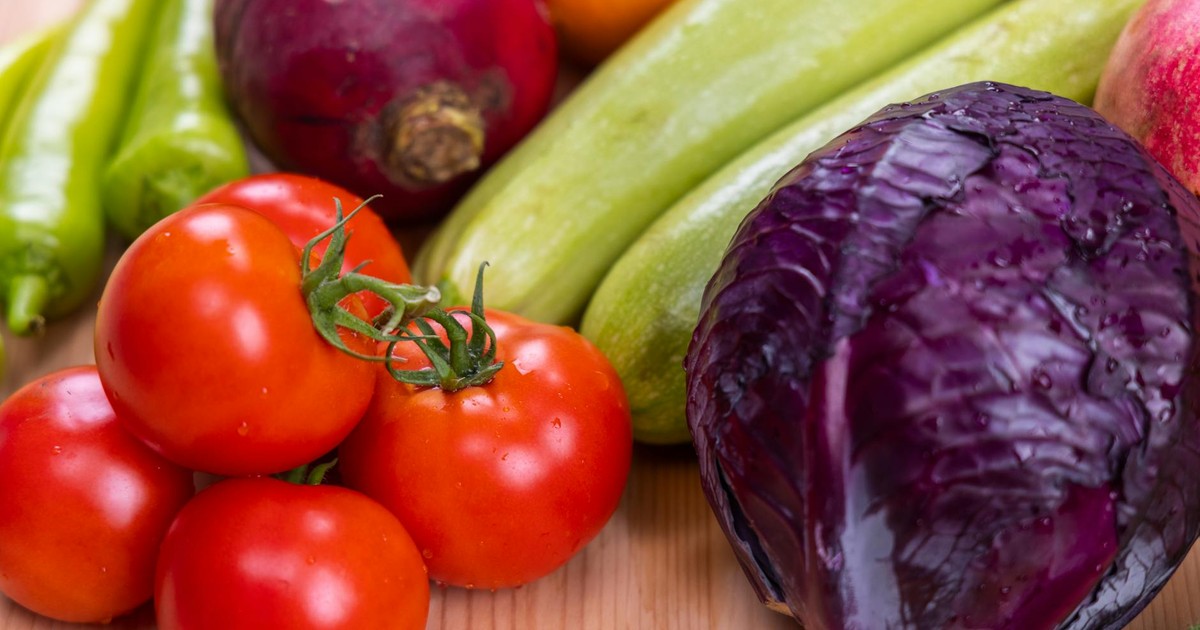
An alkaline diet menu focuses on alkaline-promoting foods: most fruits and vegetables, soybean, tofu, and some nuts, seeds, and legumes. Dairy, eggs, meat, most grains, and processed items like canned snacks are off-limits due to their acidic nature. Alcohol and caffeine are typically avoided, and neutral foods such as natural fats, milk, and sugars are often limited. Examples of alkaline foods include fruits like apples, cherries, avocado, bananas, apricots, and cantaloupe; non-starchy vegetables such as broccoli, beets, asparagus, leafy greens, garlic, carrots, and cabbage; unsweetened fruit juices; mineral water and herbal teas; nuts and seeds like chestnuts, pine nuts, and pumpkin seeds; fermented tofu or tempeh; and some grains like quinoa.

This eating pattern can align with certain dietary preferences. For vegetarians and vegans, it’s mostly compatible since dairy is excluded. It’s also gluten-free by avoiding wheat, though careful label checking is needed to ensure complete gluten avoidance. The diet eliminates many common allergens, including milk, eggs, peanuts, walnuts, fish, and shellfish, and it may suit those aiming to reduce fat and sugar intake. Importantly, you don’t need to purchase courses, books, or supplements—free alkaline food charts are available online, and there’s no built-in exercise routine, which might make it easier to integrate into your lifestyle.
Potential Benefits and Drawbacks
The alkaline diet emphasizes fresh, nutrient-dense foods and excludes added sugars and junk foods, which can offer health benefits regardless of pH claims. However, its restrictiveness poses challenges. The level of effort is high, as it cuts out many familiar foods, including meat, most dairy, alcohol, and caffeine. This near-vegetarian approach may be hard to sustain, and eating out becomes difficult, potentially requiring more grocery trips and home cooking. While specialized products exist, they can be expensive, but they’re unnecessary for following the diet.
Expert Insights and Scientific Reality
Kathleen Zelman, MPH, RD, LD, a registered dietitian nutritionist, provides a critical perspective. She notes that there’s little evidence to support changing your body’s pH through diet. “You can’t change the alkaline of your blood,” says Zelman. While urine pH might shift, blood pH remains constant due to your body’s regulatory mechanisms. The health benefits stem from the diet’s focus on fruits, vegetables, nuts, legumes, and unprocessed foods—the foundation of a healthy diet—not from pH alterations. However, Zelman stresses that a balanced diet includes many restricted items like whole grains, dairy, and various proteins.

Another gap in the alkaline diet is the absence of exercise recommendations. “There’s no mention of exercise in this diet plan,” says Zelman. “It’s not just about what you eat. You have to get regular physical activity, too.” The American Heart Association and the CDC advise at least 150 minutes of exercise weekly, and consulting a doctor before changing routines is crucial, especially for beginners or those with medical issues.
Does the alkaline diet work? Possibly, but not for its claimed reasons. Weight loss may occur temporarily by eliminating sugar, alcohol, and processed foods in favor of fruits, vegetables, and water. “When you start eliminating so many foods – sugar and alcohol and processed food – and most of your foods are fruits, vegetables, and lots of water, you’ll lose weight,” says Zelman. “But it’s not sustainable. Foods like protein are very satisfying. They keep your belly full. So do healthy fats.” She warns of a yo-yo effect, where weight regain or extra pounds can follow if the diet is abandoned. Research is too limited to prove disease-fighting benefits, such as against cancer.
Considerations for Specific Conditions and Groups
In its most restrictive form, Zelman doesn’t recommend the alkaline diet for anyone, particularly those with cancer, kidney disease, osteoporosis, or other chronic conditions that could be impacted by nutritional gaps. However, building on its foundations by adding eggs, dairy, whole grains, and protein to a plant-based, unprocessed diet might offer benefits. The emphasis on fruits and vegetables could help reduce sugar, saturated fat, and sodium, potentially aiding those with heart disease or diabetes.
Zelman cautions against the diet for individuals with a history of disordered eating: “When you categorize foods as good or bad – like with alkalizing foods versus acidic foods – it tends to promote eating disorders.” Parents should avoid it for children, as it eliminates nutrient-rich foods like animal proteins, eggs, and fish critical for growth. “When you start having nutritional gaps, a diet becomes unsafe for children,” says Zelman. Always consult a healthcare provider before making significant dietary changes.
Practical Challenges and Final Thoughts
Following an alkaline diet can be tough, as it forbids many favorites allowed in moderation elsewhere, including lean meat, low-fat dairy, bread, and sweets. Protein is limited to plant-based sources like beans and tofu, requiring careful planning to ensure adequate intake and calcium. Eating out and managing a busy schedule add to the difficulty. Given these restrictions, Zelman emphasizes inclusivity in healthy eating. “In my opinion, all foods fit. You can have a healthy diet and still have room for – granted, limited – indulgences,” she says. “Eighty percent of the time, your diet should be based on fundamentally good foods. But can you have some bacon? Can you have a piece of chocolate cake? Yes – those foods can fit in moderation and in the context of a healthy diet.”
Do the benefits outweigh the shortcomings? According to Zelman, no. “There are too many deficiencies and too many risks. It’s not sustainable, and there’s no evidence that it’s going to be healthful,” she says. “The best diet is the one you can stick with, so you need to find a plan that works for you, works for your lifestyle, but is also based on evidence.”
Sample Recipes for Inspiration
If you’re curious about trying alkaline-friendly meals, here are some simple recipes:
Breakfast: Alkaline Green Smoothie
Ingredients: 1 cup almond milk, 1 cup cubed watermelon, 5 frozen strawberries, 1/2 small banana, 1 handful fresh spinach, 1 teaspoon chia seeds, 1 cup ice.
Instructions: Blend all ingredients until smooth.
Lunch: Alkaline Salad with Apple Cider Vinaigrette
Salad ingredients: 1 cup cucumber, 1 cup watermelon, 1/2 cup raspberries, 1 sliced avocado, 1 cup broccoli, 1 cup papaya, 1/2 cup toasted almonds, 4 cups baby kale.
Dressing ingredients: 1 tablespoon Dijon mustard, 1 minced garlic clove, 1/4 cup raw apple cider vinegar, 2 tablespoons fresh lemon juice, 1-2 tablespoons raw honey.
Instructions: Mix dressing and refrigerate. Combine salad ingredients, toss, and top with dressing.
Dinner: Quinoa Mushroom Bowl
Ingredients: 1.5 cups white quinoa, 1 cup water, 1 container mushrooms, 1 sliced tomato, 1 sliced avocado, pink Himalayan sea salt, oregano, sweet basil, sage powder, onion powder, cayenne pepper, 1 lime.
Instructions: Cook quinoa on low heat with lid on. Sauté mushrooms with grape seed oil and seasonings. Combine with tomatoes and avocado, and squeeze lime over quinoa.
Key Takeaways and FAQs
The alkaline diet encourages alkalizing foods and avoids acidic ones, promoting nutritious options like fruits and veggies. While its theory is unproven, it may foster healthy habits. Always talk to a doctor before trying any restrictive diet.
Is the alkaline diet healthy? It encourages whole foods but restricts many balanced diet components, so it has pros and cons.
How fast can I lose weight? It varies; weight loss may occur but isn’t guaranteed or designed for sustainability.
What are the best alkaline foods? Include non-starchy vegetables, fruits, nuts, seeds, and some grains and legumes.
What are 10 alkaline foods? Examples: beets, broccoli, tomato, garlic, spinach, apples, cherries, pineapple, chestnuts, pumpkin seeds.
What meat can you eat? None; the diet excludes meat, dairy, and eggs, allowing plant-based proteins like tofu.