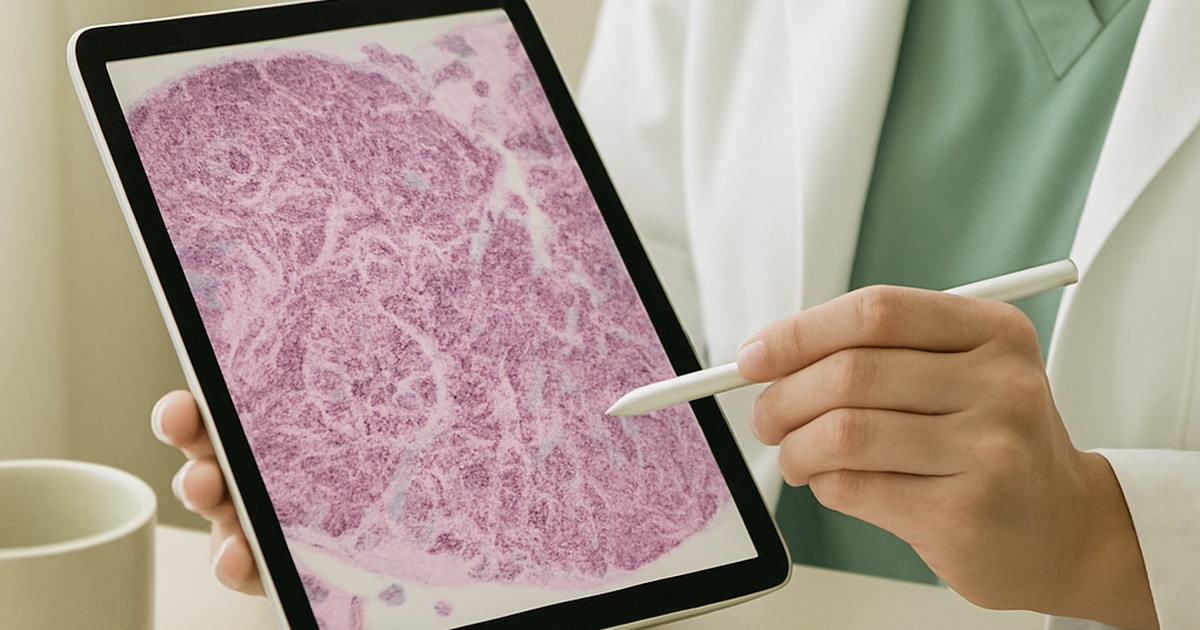
In a striking advancement for colorectal cancer screening, scientists at the University of Geneva have developed an artificial intelligence-powered stool test that rivals the detection rate of traditional colonoscopy, promising to revolutionize cancer diagnostics. The novel test, which maps gut bacteria at a subspecies-level detail, has achieved a remarkable 90% detection rate for colorectal cancers. This innovation not only reduces the discomfort and expense associated with colonoscopy but also stands as a potential first-line screening tool. The implications could dramatically enhance participation rates in cancer screening programs worldwide, which are currently hindered by the invasive nature and high cost of colonoscopies. While the test’s capacity to detect precancerous polyps and early-stage tumors remains under investigation, this development marks a significant leap forward in accessible and affordable cancer detection.
Context
Colorectal cancer is the third most commonly diagnosed cancer worldwide and a leading cause of cancer-related deaths. Despite its prevalence, participation in screening programs is alarmingly low, with rates often falling below 60% in many countries. The primary screening tool, colonoscopy, though effective, is both invasive and costly, deterring many individuals from undergoing the procedure. As medical communities seek alternatives, non-invasive tests have gained traction. Yet, until now, none have matched the efficacy of colonoscopy, particularly in detecting early-stage cancers or precancerous conditions. This gap in screening efficacy has been a focal point for researchers, driving the need for innovative solutions that balance accuracy with accessibility.
The University of Geneva’s breakthrough builds on a growing body of research exploring the role of gut microbiota in health and disease. Scientists have increasingly recognized the gut’s intricate ecosystem as a critical factor in the body’s overall health, influencing everything from digestion to immune function. Recent studies link specific microbial signatures to various forms of cancer, including colorectal cancer. This burgeoning field of study provided the conceptual foundation for the Geneva team’s research, setting the stage for their pioneering work in cancer detection via stool samples.
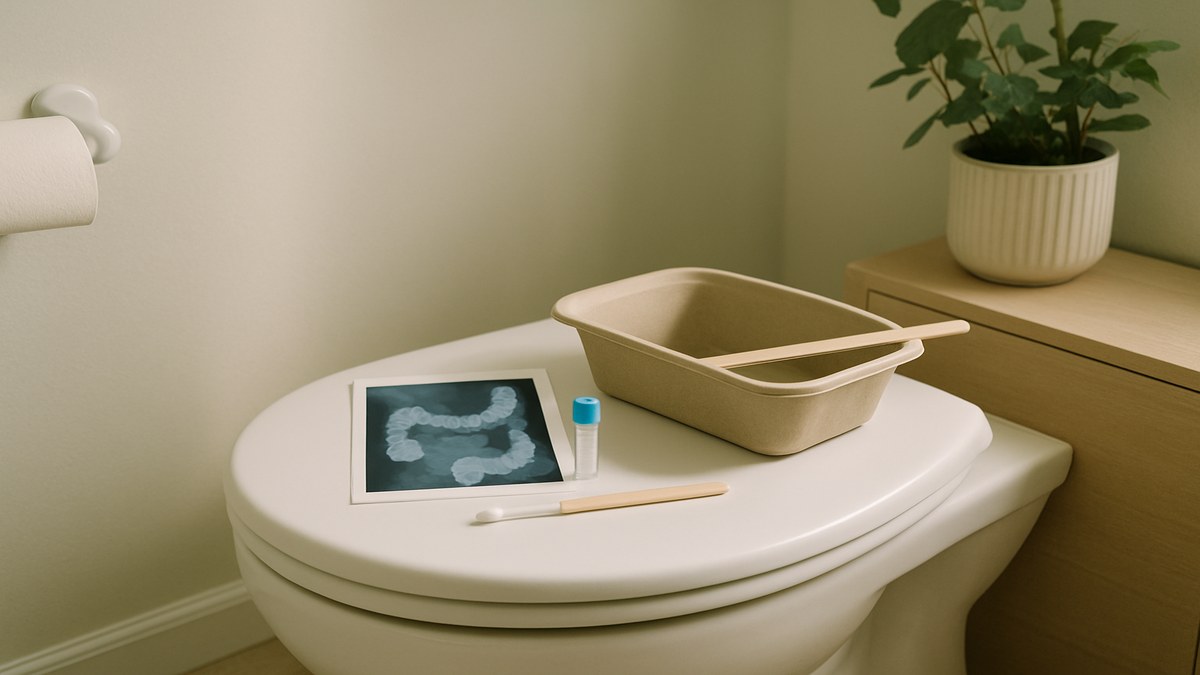
This week marks a pivotal moment, as the findings were published, underscoring years of meticulous research and development. The study not only showcases the power of machine learning in medical diagnostics but also highlights the collaborative efforts of microbiologists, data scientists, and oncologists. Their collective expertise has culminated in a tool that could redefine screening protocols, making them more patient-friendly and cost-effective. The publication of these results invites the medical community to reassess current practices and consider integrating advanced AI-driven methodologies in routine cancer screening.
What Happened
The University of Geneva’s study, published in April 2026, details the development and testing of an AI-powered diagnostic tool capable of analyzing stool samples to detect colorectal cancer. The research team created the first comprehensive catalog of human gut bacteria at a subspecies resolution, a feat that required advanced sequencing technologies and sophisticated bioinformatics approaches. By mapping these microbial communities, the researchers identified distinct bacterial signatures associated with colorectal cancer, which formed the basis of their diagnostic model.
Using machine learning algorithms, the team trained their models to recognize these microbial patterns, achieving a detection accuracy of 90%. This rate is nearly on par with colonoscopy, which boasts a 94% detection rate, yet the stool test offers significant advantages in terms of cost, convenience, and patient compliance. The study involved over 3,000 participants across multiple demographics, providing a robust data set that reinforced the test’s efficacy across diverse populations. The researchers emphasized the test’s potential as a preliminary screening tool, suggesting that positive results could be followed by traditional colonoscopies for confirmation and further examination.
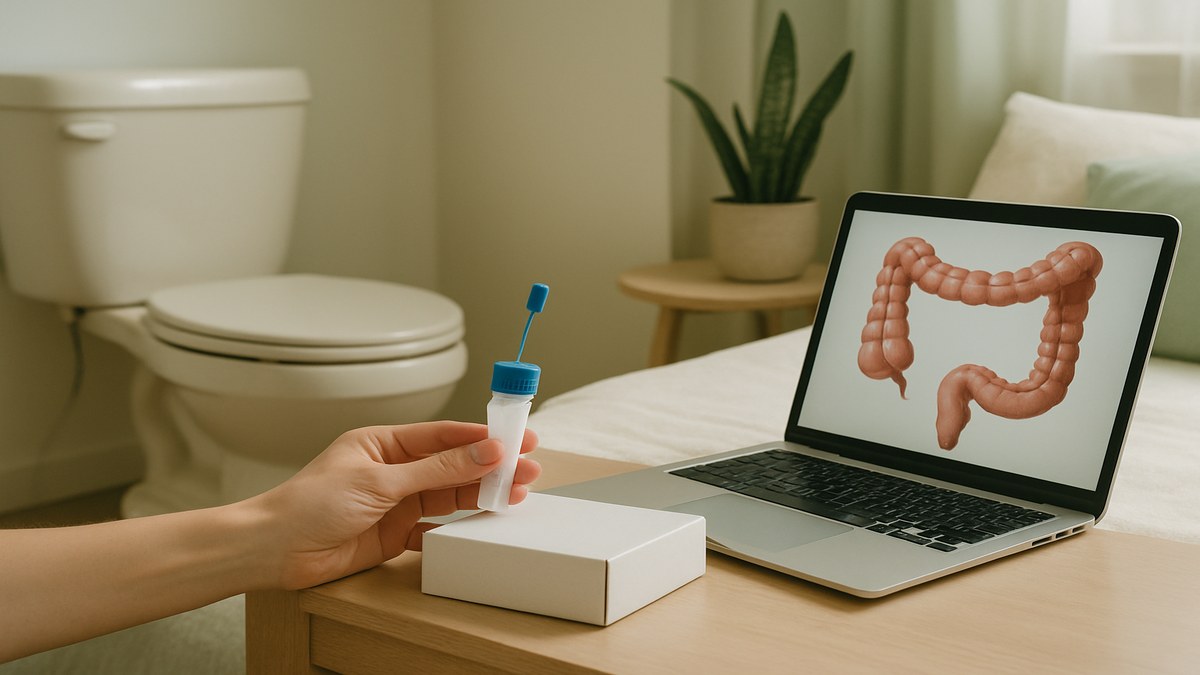
Despite the promising results, some limitations remain. The test’s effectiveness in detecting precancerous polyps and early-stage tumors has not been fully established, indicating an area for future research and development. Furthermore, the broad application of this tool is contingent upon regulatory approvals and integration into existing healthcare systems, which can be a lengthy process. Nevertheless, the study represents a significant advancement in cancer diagnostics, offering a glimpse into a future where screening is less invasive and more accessible to the general population.
Why It Matters
The implications of the University of Geneva’s breakthrough are profound, with potential benefits extending well beyond improved detection rates. For one, the introduction of a non-invasive, cost-effective screening tool could dramatically increase participation in colorectal cancer screening programs. Higher participation rates are crucial for early detection and treatment, significantly improving patient prognoses and reducing mortality rates. As more individuals are screened, the likelihood of catching cancers at an earlier, more treatable stage increases, thereby enhancing survival outcomes.
Moreover, the reduced reliance on colonoscopy could alleviate pressures on healthcare systems, freeing up resources and reducing wait times for those who require diagnostic imaging. This shift might also lead to broader societal benefits, such as decreased healthcare costs and improved public health outcomes. By making screening more accessible and appealing, healthcare providers can foster a more proactive approach to cancer prevention, ultimately reducing the incidence of advanced-stage colorectal cancers.
The study also opens new avenues for research into the human microbiome and its role in health and disease. Understanding microbial interactions and their implications for cancer development could lead to novel therapeutic strategies and preventive measures. As researchers continue to unravel the complexities of the gut microbiota, new insights into its connection with systemic diseases may emerge, further advancing the field of personalized medicine and targeted therapies. This knowledge could eventually transform the landscape of cancer prevention and treatment, marking a new era in medical science.
How We Approached This
Our editorial team at Modern Health Weekly approached this story with a focus on the scientific rigor and potential real-world applications of the University of Geneva’s study. We analyzed the published research, considered expert opinions, and assessed the broader implications for public health and medical practices. Our goal was to present a balanced view that highlights the study’s achievements while acknowledging its current limitations and future potential.
We prioritized accessibility in our reporting, ensuring that complex scientific concepts were conveyed in clear, digestible language. By doing so, we aimed to engage a wide audience, from healthcare professionals to individuals interested in personal wellness. We chose to emphasize the study’s potential impact on screening participation rates and healthcare costs, as these factors are particularly relevant to our readership. Our commitment to delivering well-sourced, insightful content guided our editorial decisions throughout the reporting process.
Frequently Asked Questions
What is the main advantage of the AI-powered stool test over traditional methods?
The primary advantage of the AI-powered stool test is its non-invasive nature, which makes it more comfortable and accessible for patients compared to colonoscopy. Additionally, it is cost-effective and can detect colorectal cancer with 90% accuracy, offering a viable first-line screening option.
How does the test detect colorectal cancer using gut bacteria?
The test uses machine learning algorithms to analyze microbial patterns in stool samples. By mapping the gut bacteria at a subspecies level, the test identifies specific microbial signatures associated with colorectal cancer, achieving a high detection rate.
Are there any limitations to the stool test’s effectiveness?
Yes, the test currently lacks validation for detecting precancerous polyps and early-stage tumors. Further research is needed to establish its efficacy in these areas. Additionally, regulatory approvals are required before widespread implementation in healthcare systems.
Looking ahead, the University of Geneva’s AI-powered stool test could serve as a catalyst for change in colorectal cancer screening, encouraging wider adoption of non-invasive methods and improving early detection rates. As research continues, the potential for integrating this tool into standard healthcare practices grows, offering hope for a future where cancer screening is more accessible and effective. Remember, the key takeaway is the transformative potential of AI in enhancing medical diagnostics and patient care.