
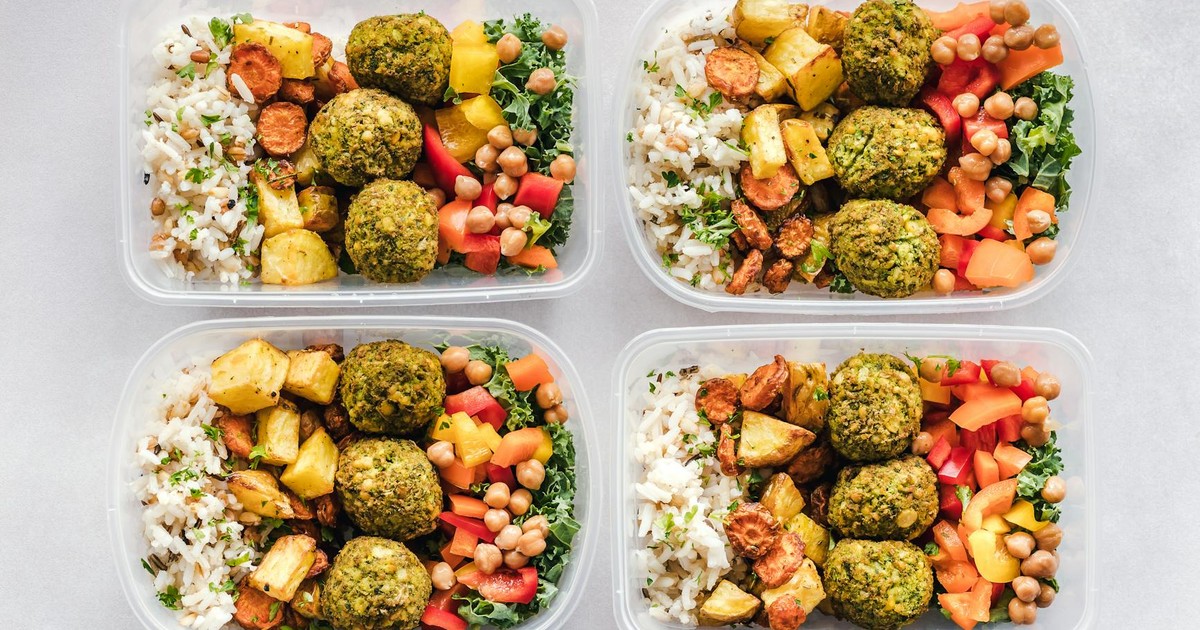
When it comes to managing weight, the foods we choose can play a powerful role beyond just calories. Certain items in our diet have properties that help us feel fuller longer, potentially reducing overall intake and supporting healthy weight goals. This isn’t about magic bullets or quick fixes—it’s grounded in nutritional science, with research highlighting how specific components like fiber, protein, and water content influence satiety and metabolism. By understanding these mechanisms, we can make informed choices that align with a balanced, sustainable approach to wellness.
Whole grains, such as oats, quinoa, and brown rice, are standout examples. They’re rich in dietary fiber, which slows digestion and promotes a gradual release of energy. According to the Whole Grain Council and studies like one in the American Journal of Clinical Nutrition (November 2010), high-fiber diets are linked to lower body weight and reduced risk of obesity. Fiber absorbs water in the gut, expanding to create a sense of fullness that can curb overeating. As Judith Rodriguez, PhD, RD, a past president of the American Dietetic Association, notes, incorporating whole grains into meals helps stabilize blood sugar levels, preventing spikes that might lead to cravings later in the day.
Lean proteins, including chicken, fish, beans, and lentils, are another key player. Protein has a high thermic effect, meaning the body uses more energy to digest it compared to fats or carbohydrates. Research in the Journal of the American College of Nutrition (August 2005) found that higher protein intake can increase feelings of satiety and support muscle maintenance during weight loss. Leslie Bonci, MPH, RD, director of sports nutrition at the University of Pittsburgh Medical Center, explains that protein triggers hormones that signal fullness to the brain, making it easier to avoid unnecessary snacking. For instance, a study in Diabetes Care (2004) showed that protein-rich meals helped participants manage appetite better over time.
Vegetables and fruits, especially those with high water content like cucumbers, tomatoes, and berries, offer volume without many calories. This concept, known as volumetrics, is supported by Barbara Rolls’ research in The Volumetrics Eating Plan (2005). Foods with high water and fiber content fill the stomach quickly, promoting satiety with fewer calories. A study in Appetite (November 2007) demonstrated that starting a meal with a low-calorie, high-volume food like salad can reduce total calorie consumption. Diane L. McKay, PhD, from Tufts University, emphasizes that these foods also provide essential vitamins and antioxidants, contributing to overall health while aiding weight management.
Certain fats, such as those found in avocados, nuts, and olive oil, can also support satiety when consumed in moderation. Unlike saturated fats, these unsaturated fats help slow gastric emptying, keeping you fuller longer. Research in Nutrition, Metabolism, and Cardiovascular Diseases (March 2010) indicates that monounsaturated fats may improve insulin sensitivity and reduce belly fat accumulation. David Heber, MD, PhD, professor at UCLA, points out that healthy fats are crucial for absorbing fat-soluble vitamins and maintaining cell function, but he cautions against overconsumption due to their high calorie density.
Spices and beverages like green tea have garnered attention for their potential metabolic benefits. Compounds in green tea, such as catechins, may slightly boost metabolism and fat oxidation, as noted in the Journal of the International Society of Sports Nutrition (May 2006). Similarly, capsaicin in chili peppers can increase thermogenesis, the body’s heat production, which might aid in calorie burning. However, these effects are generally modest and should not be relied upon as sole weight-loss strategies. The American Diabetes Association advises that while these foods can complement a healthy diet, they work best alongside consistent exercise and portion control.
It’s important to approach these foods with balance and awareness. No single food guarantees weight loss, and individual responses can vary based on factors like genetics and lifestyle. The Academy of Nutrition and Dietetics recommends focusing on overall dietary patterns rather than isolated items. For example, pairing whole grains with lean proteins and vegetables creates meals that are satisfying and nutrient-dense. Caveats include watching for added sugars in processed whole-grain products or excessive sodium in canned beans, which can undermine health benefits. Always consult with a healthcare provider or registered dietitian for personalized advice, especially if you have conditions like diabetes or heart disease.
In summary, foods like whole grains, lean proteins, vegetables, and healthy fats use scientific mechanisms—such as fiber’s bulk, protein’s thermic effect, and water’s volume—to promote satiety and support weight management. Backed by research from sources like the USDA Nutrient Data Laboratory and studies in journals such as The Journal of Nutrition (July 2011), these choices can be powerful tools in a wellness toolkit. By integrating them into a varied diet and mindful eating habits, you can work towards sustainable health goals without deprivation or fad diets.