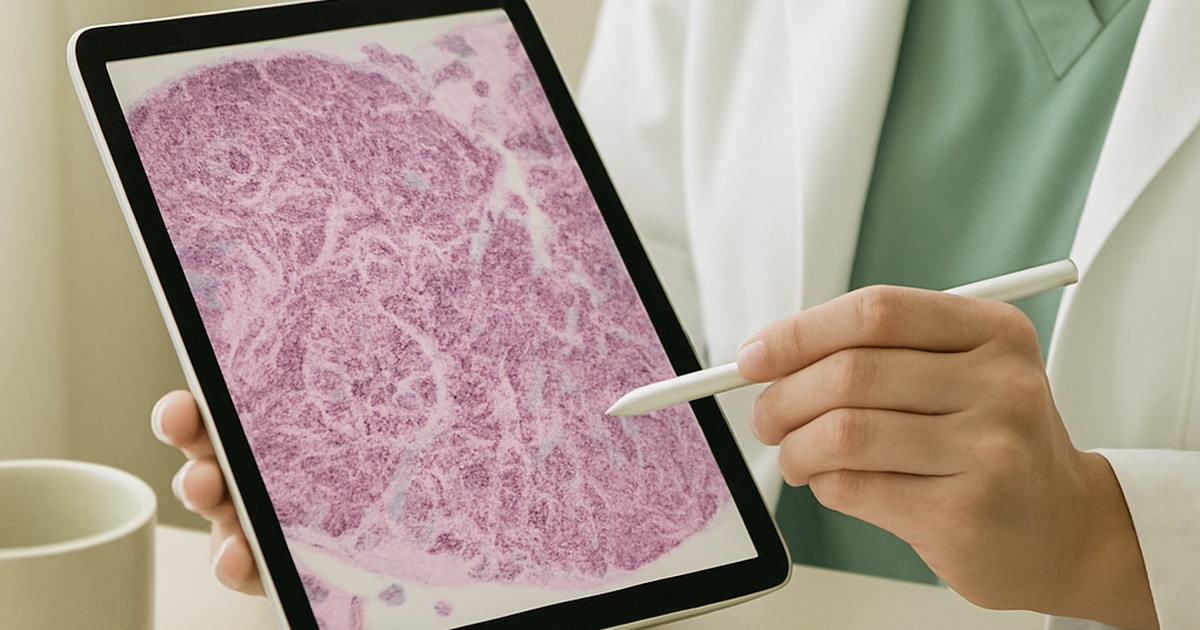
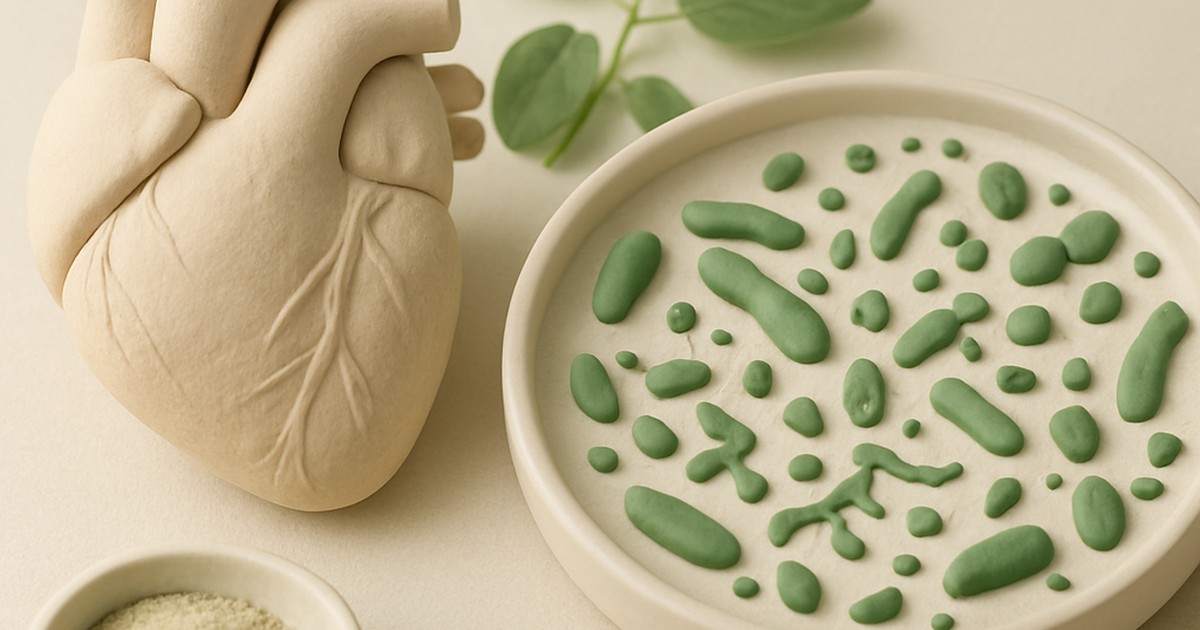
In a groundbreaking development within the intersection of microbiome science and cardiology, researchers have unveiled a mechanistic link between gut microbiome metabolites and the formation of cardiovascular plaque. This pivotal discovery, published in the high-impact journals Cell and Nature Cardiovascular Research, reveals that specific metabolites, notably trimethylamine N-oxide (TMAO) and a newly characterized variant of lipopolysaccharide (LPS), directly promote arterial plaque formation. These findings extend beyond previous associations between TMAO levels and cardiovascular events, providing a molecular mechanism that clarifies how gut bacteria influence heart health. This article explores the implications of this discovery for dietary recommendations and pharmaceutical developments, potentially transforming the landscape of cardiovascular risk assessment and management.
Context
Over the past decade, the relationship between gut microbiota and cardiovascular health has intrigued scientists and clinicians alike. Previous studies consistently indicated a correlation between elevated levels of TMAO and increased cardiovascular events. However, until now, the precise pathways through which gut microbiome metabolites influence heart disease remained elusive. The recent studies, conducted by international teams of researchers, provide the first clear evidence of a direct mechanistic link, utilizing advanced molecular biology and cutting-edge imaging techniques to map the pathway from gut-derived metabolites to cardiovascular plaque.
The key players in this scientific breakthrough include TMAO and a specific variant of LPS, both of which are produced by gut bacteria metabolizing dietary nutrients such as choline, phosphatidylcholine, and L-carnitine. These nutrients are commonly found in red meat, eggs, and energy supplements, all staple components of many modern diets. As such, the discovery has sparked significant interest in the potential for modifying dietary practices to mitigate cardiovascular risk.
This particular week marks a significant moment in cardiovascular research as the findings were unveiled simultaneously across two prestigious journals, underscoring the importance and urgency of integrating microbiome science with cardiology. The intersection between these fields is poised to reshape our understanding of heart disease, offering new avenues for prevention and treatment.
What Happened
The study that revealed this mechanistic link was led by teams at the Cleveland Clinic and Harvard University, with their findings published on April 20, 2026, in Cell and Nature Cardiovascular Research. The research highlights the role of the gut microbiome in converting nutrients such as choline, phosphatidylcholine, and L-carnitine into TMAO precursors. TMAO, in turn, was shown to foster a macrophage-foam-cell pathway, promoting the formation of arterial plaques.
Direct experimentation demonstrated that high levels of TMAO led to increased accumulation of cholesterol within macrophages, turning them into foam cells, which are critical in plaque formation. This discovery not only establishes a mechanistic foundation but also suggests that individuals with microbiomes that produce high levels of TMAO face significantly higher cardiovascular risks, regardless of their cholesterol levels. This paradigm shift emphasizes a new modifiable risk factor beyond traditional cholesterol-focused measures.
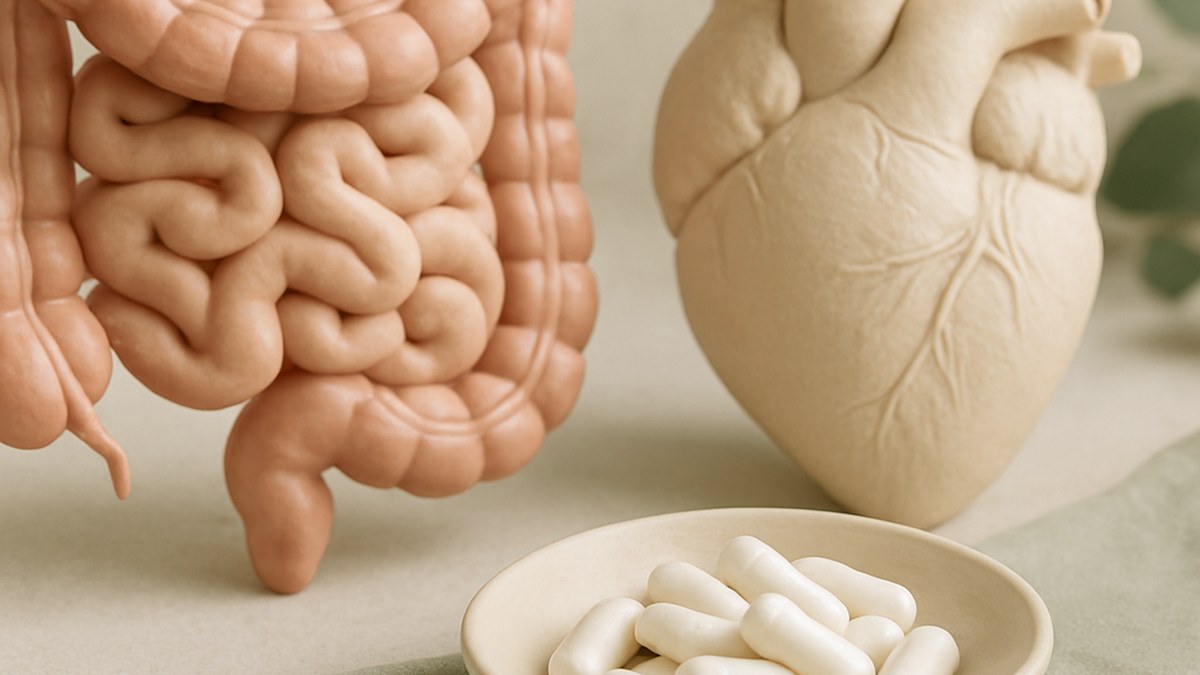
Furthermore, the revelation of a new LPS variant contributes to our understanding of how gut microbiota can influence systemic inflammation, a key driver of plaque development. Researchers at Beam Therapeutics have already initiated trials on DBL-001, a compound designed to inhibit enzymes responsible for TMAO production, representing the forefront of pharmaceutical interventions targeting this pathway. The introduction of such drugs could potentially revolutionize cardiovascular disease prevention and treatment strategies in the coming years.
Why It Matters
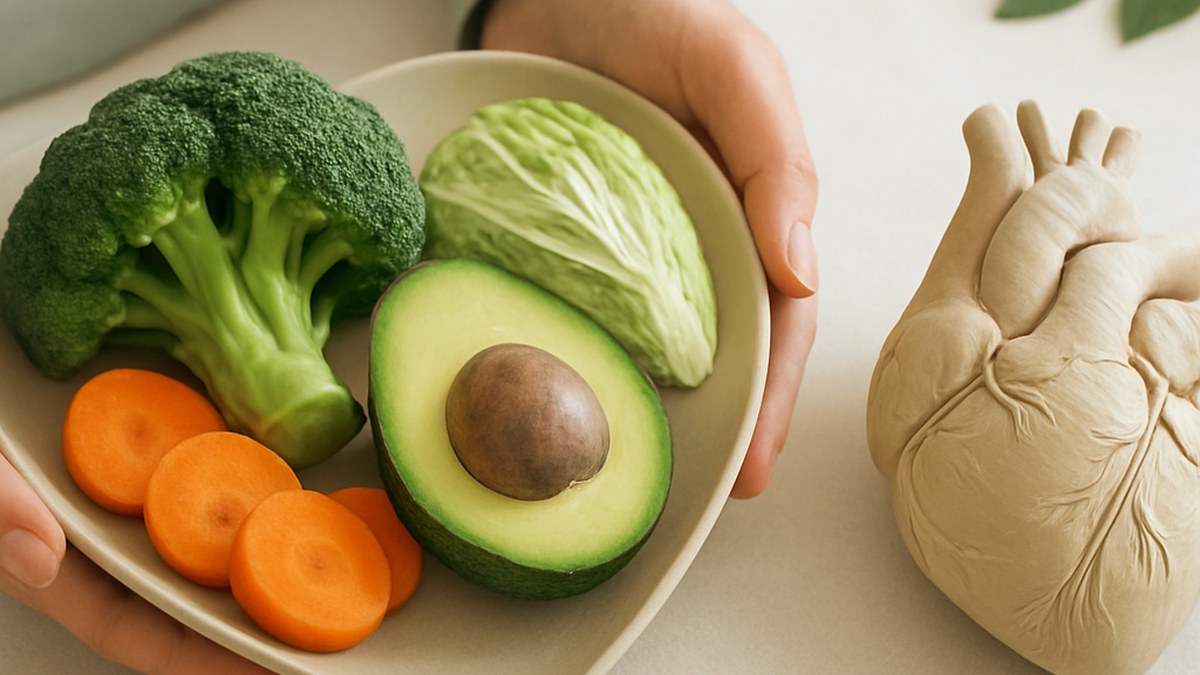
This discovery has profound implications for both individuals and the healthcare industry. From a dietary perspective, it reframes the narrative around red meat consumption. Historically, red meat has been associated with cardiovascular risk due to its saturated fat content. However, this new evidence suggests that the microbe-mediated production of TMAO presents an additional, and perhaps more significant, risk factor. This shift in understanding could lead to revised dietary guidelines, focusing on microbiome health alongside traditional nutritional advice.
For the pharmaceutical industry, the mechanistic link opens up a new frontier in drug development. Companies like Beam Therapeutics are at the cutting edge, exploring enzyme inhibitors that could mitigate TMAO production, offering novel therapeutic options for those at risk of heart disease. Successful development and deployment of these drugs could alter the landscape of cardiovascular treatment, providing alternatives to statins and other traditional therapies.
Moreover, the findings could influence cardiology guidelines globally. The potential integration of TMAO panel testing into cardiovascular risk assessments would provide clinicians with a more comprehensive tool to evaluate and manage patient risk. By identifying individuals with high-TMAO-producing microbiomes, healthcare providers could offer tailored interventions, potentially reducing the incidence of cardiovascular events and improving overall patient outcomes.
How We Approached This
In crafting this article, our editorial team drew upon the published studies in Cell and Nature Cardiovascular Research, supplemented by interviews with leading researchers in microbiome science and cardiology. We prioritized clarity and accessibility, ensuring that complex scientific findings were communicated in a way that resonates with both experts and lay readers.
Our focus was on the implications of these findings, emphasizing the potential shifts in dietary guidelines and pharmaceutical developments. We chose to highlight the real-world applications of this research, given its transformative potential. By excluding speculative elements not directly supported by the data, we endeavored to provide a reliable source of information that our readers can trust as they navigate these emerging health insights.
Frequently Asked Questions
What are TMAO and LPS, and how do they affect heart health?
TMAO (trimethylamine N-oxide) and a variant of lipopolysaccharide (LPS) are metabolites produced by gut bacteria. TMAO is formed from dietary nutrients such as choline and L-carnitine found in red meat and eggs. These metabolites have been shown to promote arterial plaque formation by converting macrophages into foam cells, contributing to cardiovascular disease risk.
Can changing my diet influence my TMAO levels?
Yes, dietary changes can impact TMAO production. Reducing intake of foods high in choline and L-carnitine, such as red meat and eggs, may lower TMAO levels. However, individual responses can vary based on one’s gut microbiome composition. Consulting with healthcare professionals for personalized dietary advice is recommended to effectively manage cardiovascular risk.
Are there any treatments available targeting TMAO production?
Currently, pharmaceutical companies are developing drugs to inhibit gut bacterial enzymes responsible for TMAO production. Beam Therapeutics, for instance, has initiated trials for a compound named DBL-001. These treatments aim to offer a new avenue for reducing cardiovascular risk, complementing existing strategies like diet modification and traditional medication.
As we move forward, this pivotal research heralds a new era in understanding cardiovascular health, with gut microbiome metabolites at the forefront. The implications for dietary guidelines, pharmaceutical innovations, and clinical practices are immense, promising a future where personalized medicine and lifestyle interventions play a central role in heart disease prevention. Ultimately, this discovery reinforces the importance of a holistic approach to health, where the microbiome is recognized as a key player in our well-being.