

In a groundbreaking revelation for the field of preventive health, a recent study published in the Journal of Epidemiology & Community Health unveils that cooking just one meal at home each week could significantly slash the risk of developing dementia. Conducted over six years among nearly 11,000 Japanese individuals aged 65 and over, the study found that the simple act of home cooking is associated with up to a 67% decrease in dementia risk, particularly for those who previously lacked cooking skills. This unexpected finding highlights the potential of cooking as a therapeutic activity that engages both the mind and body, suggesting that integrating cooking into preventive health programs could be a powerful tool for enhancing cognitive health in older adults. This article will delve into the details of the study, explore its implications for dementia prevention, and discuss how cooking could be integrated into broader health strategies for aging populations.
Context
Japan, with its rapidly aging population, has long been at the forefront of research into dementia, a condition that affects millions worldwide. As the country grapples with the challenges of an aging society, innovative solutions are increasingly sought after to mitigate the growing burden of dementia on individuals and healthcare systems. The convergence of cultural shifts and public health initiatives has positioned Japan as a global leader in exploring unconventional methods to promote cognitive well-being among its elderly population.
Prior to this study, much of the focus in dementia research had been on pharmaceutical interventions and lifestyle factors like diet and exercise. However, the exploration of everyday activities, such as cooking, as potential cognitive enhancers is relatively new. Previous studies have hinted at the cognitive benefits of engaging in complex tasks that require planning and problem-solving. Cooking, with its inherent need for sequential thinking, creativity, and physical involvement, presents a unique opportunity to examine its role in brain health.
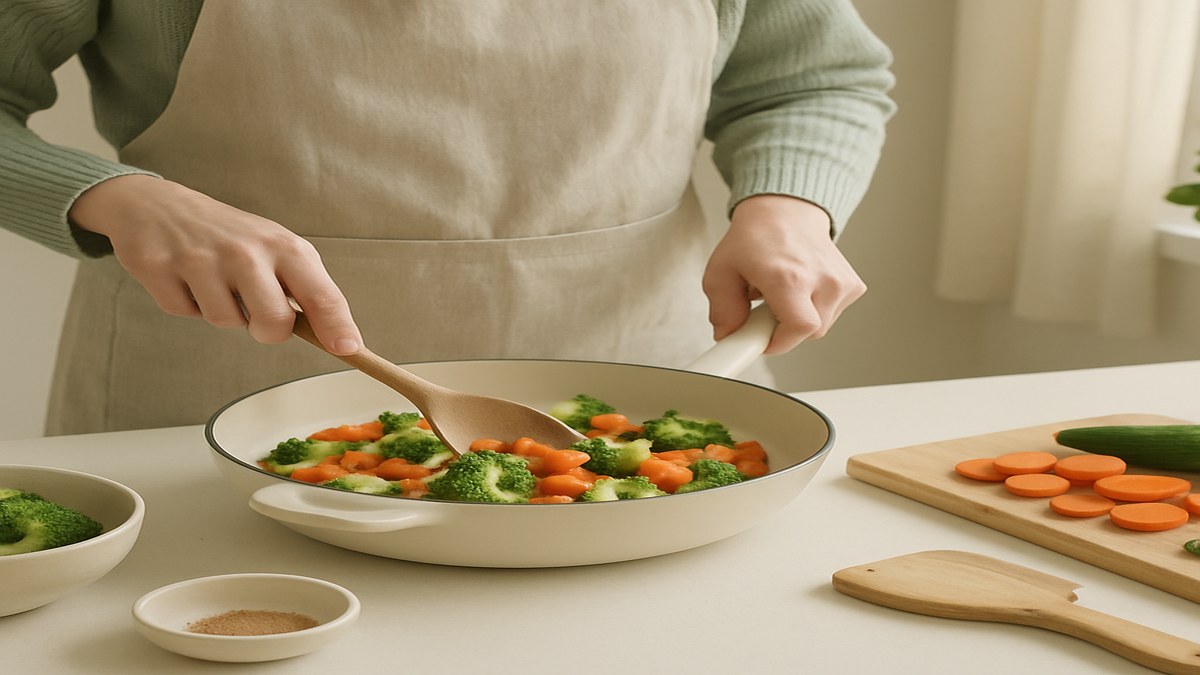
This week, the release of this new study marks a pivotal moment in dementia research. The study not only broadens the understanding of preventive measures but also challenges traditional perceptions of cognitive engagement. By focusing on a practical and accessible activity like cooking, the research offers hope to older adults and healthcare providers seeking effective, low-cost strategies to combat cognitive decline. This aligns with a growing body of evidence suggesting that simple lifestyle changes can have profound impacts on long-term health outcomes.
What Happened
The study, which was conducted by a team of researchers in Japan, tracked nearly 11,000 participants over a period of six years. The participants, all aged 65 and older, were initially assessed on their cooking habits and cognitive health. The researchers categorized the participants based on their cooking frequency, specifically noting those who cooked at home at least once a week versus those who did not. Regular follow-ups over the years allowed the researchers to monitor the development of dementia among the participants.
Overall, the study found that individuals who cooked at home at least once a week experienced a 30% lower risk of developing dementia. This statistic, however, varied slightly between genders, with a 23% risk reduction observed in men and a 27% reduction in women. What stood out was the dramatic 67% reduction in dementia risk among those who initially had little to no cooking experience. This group, previously less engaged in culinary activities, showed the most significant cognitive benefits from adopting the habit of weekly cooking.
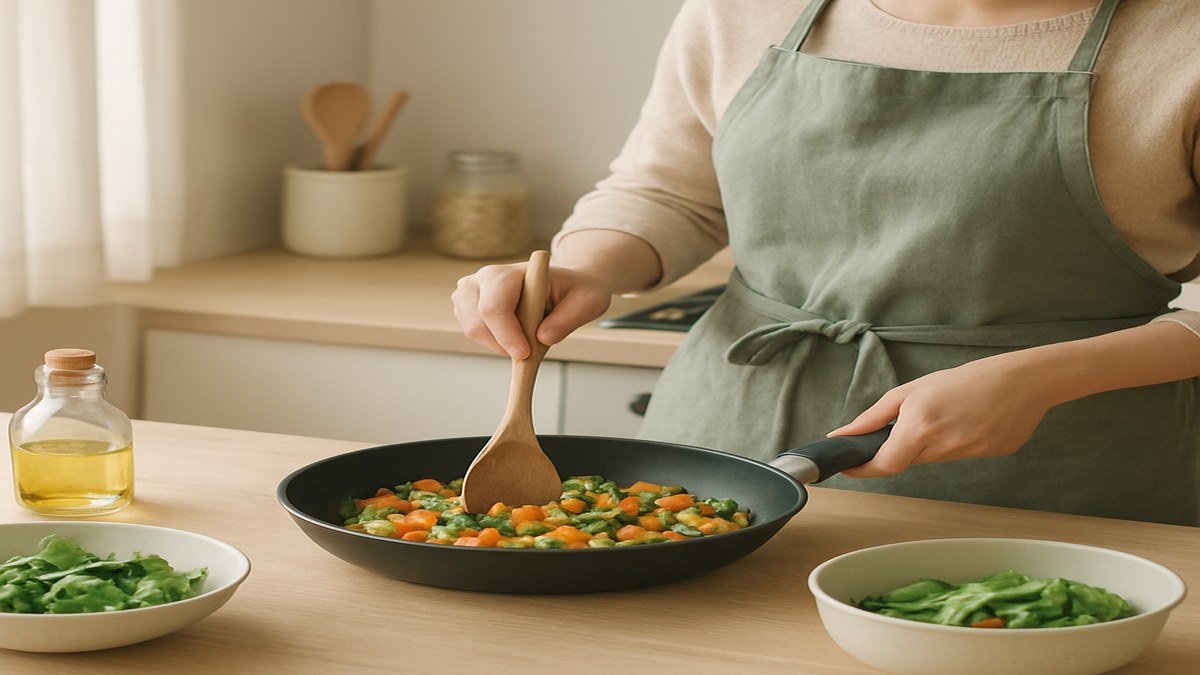
Researchers hypothesized that cooking engages various cognitive processes such as planning, multitasking, and problem-solving, alongside physical activity, which together contribute to brain health. The study also considered lifestyle factors and baseline characteristics to account for potential confounding variables, ensuring that the observed benefits were genuinely attributable to the act of cooking itself. The results have sparked excitement as they suggest a modifiable lifestyle factor that can be leveraged for dementia prevention, particularly in older adults.
Why It Matters
The implications of this study are far-reaching, particularly in the realm of public health and preventive medicine. As the global population continues to age, the incidence of dementia is expected to rise significantly, imposing a substantial burden on healthcare systems worldwide. Identifying non-pharmacological, accessible interventions to reduce this risk is therefore a public health priority. The study’s findings suggest that encouraging older adults to engage in regular cooking activities could be a viable strategy to delay or prevent the onset of dementia.
For healthcare providers and policymakers, these insights present an opportunity to incorporate cooking classes into preventive health programs. Such programs can be tailored to target older adults, especially those who may not have prior cooking experience, thereby maximizing the cognitive benefits. The social aspect of cooking classes also offers additional benefits, fostering community engagement and reducing social isolation, which is a known risk factor for cognitive decline.
Moreover, the study emphasizes the need to reconsider traditional gender roles within the context of dementia prevention. Historically, men have been less engaged in cooking activities compared to women, which could partly explain the gender differences in dementia risk reduction observed in the study. Promoting cooking as a valuable skill and engaging activity for all genders could help bridge this gap, potentially leading to broader cognitive health benefits across populations.
How We Approached This
In crafting this article, we thoroughly examined the original research published in the Journal of Epidemiology & Community Health, focusing on the methodology, participant demographics, and statistical analyses presented by the researchers. Our editorial team at Modern Health Weekly prioritized an in-depth understanding of the study’s implications while maintaining accessibility for our readers. We are committed to delivering evidence-based insights that empower our audience to make informed health decisions.
We chose to highlight the transformative potential of cooking as a preventive intervention due to its practicality and relevance to everyday life. By emphasizing the study’s findings and potential societal impact, we aim to inspire both individuals and institutions to consider integrating cooking into broader cognitive health initiatives. We consciously excluded more complex statistical analyses to maintain the article’s focus on actionable insights, ensuring our readers can easily grasp the main takeaways.
Frequently Asked Questions
What makes cooking particularly beneficial for brain health?
Cooking involves a combination of physical and cognitive tasks, such as planning meals, sequencing steps, solving problems, and engaging in physical activities like chopping and stirring. These processes stimulate different areas of the brain, promoting neural activity and potentially slowing cognitive decline. Additionally, cooking can enhance nutrition and encourage social interaction, both of which are important for maintaining brain health.
Can cooking classes be effectively integrated into existing health programs?
Yes, cooking classes can be a versatile addition to health programs aimed at older adults. They offer a low-cost, accessible means of engaging the elderly in cognitive and physical activities. Classes can be tailored to accommodate varying skill levels, focusing on basic techniques for beginners or more complex recipes for experienced cooks. By integrating social elements and nutritional education, these classes can provide comprehensive benefits that extend beyond individual cognitive health.
Are there other activities that provide similar cognitive benefits to cooking?
Yes, various activities can offer cognitive benefits similar to cooking. Engaging in regular physical exercise, learning new skills or languages, participating in social activities, and playing musical instruments are all known to promote brain health. The key is to engage in activities that challenge the brain, require problem-solving, and encourage continuous learning. Combining multiple activities can further enhance cognitive resilience and overall well-being.
As the world searches for effective ways to combat the rising prevalence of dementia, the findings from this study offer a beacon of hope. By highlighting cooking as a simple yet impactful activity that can enhance cognitive health, the research inspires a shift in how we approach dementia prevention. While further studies are necessary to explore the full range of benefits, the potential for integrating cooking into preventive health strategies is undeniable. As we move forward, embracing innovative, inclusive, and accessible solutions will be crucial in supporting the cognitive health of our aging populations. Remember, sometimes the path to better health might just start in your very own kitchen.