
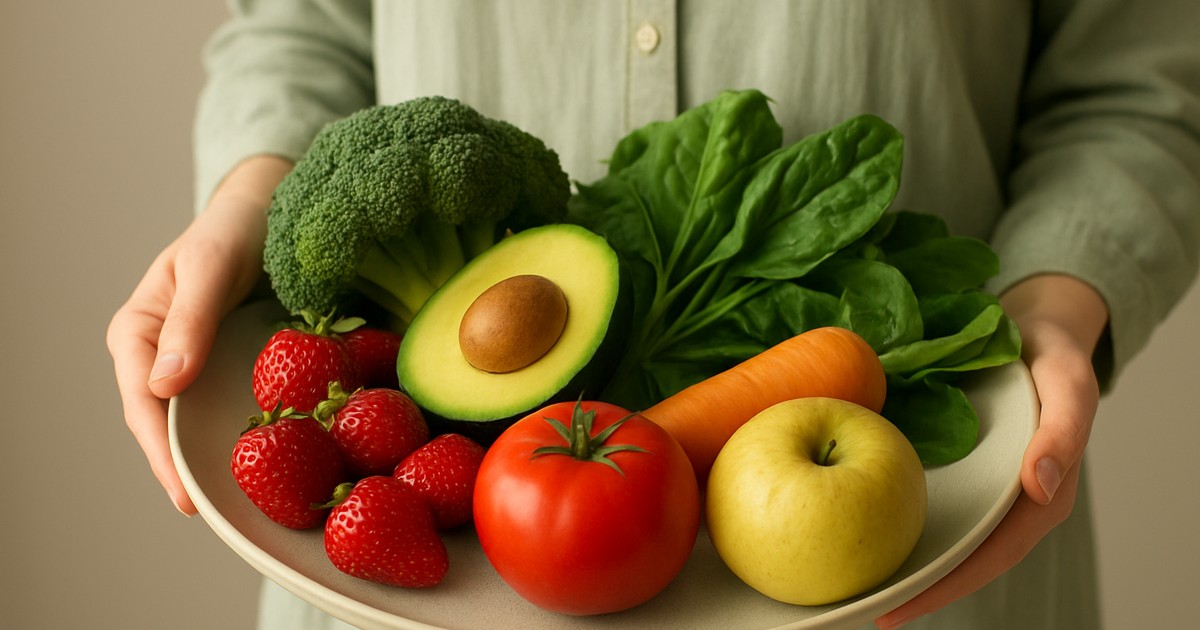
In a revelation that has sent ripples through the nutrition and health community, a new study published by the Epidemiology of Young Lung Cancer Project suggests that a high intake of fruits and vegetables, often considered the cornerstone of a healthy diet, might be linked to an increased risk of lung cancer in younger non-smokers, particularly women. This unexpected finding challenges conventional wisdom and raises significant questions about the potential hidden dangers of pesticide residues found on commercially produced, non-organic produce. The study analyzed dietary patterns and pesticide exposure among 187 patients diagnosed with lung cancer before the age of 50, finding that participants averaged notably higher consumption of dark green vegetables and whole grains compared to national averages. While the causative factors remain unproven, the correlation identified in this study brings to light the urgent need for further investigation into the safety of our food supply and the possible unintended consequences of consuming even healthy foods.
Context
The relationship between diet and health has long been a focal point of scientific research, with fruits and vegetables universally touted for their myriad health benefits, including reduced risk of chronic diseases such as heart disease and certain types of cancers. However, the recent findings from the Epidemiology of Young Lung Cancer Project add a layer of complexity to this narrative, particularly as it pertains to younger populations who have historically been less studied in the context of lung cancer. The study’s focus on individuals under 50 years of age is particularly noteworthy, given that lung cancer is typically associated with older adults, often linked to long-term smoking habits. This study’s results, therefore, represent a departure from traditional assumptions, highlighting the need to consider environmental and dietary factors that could influence cancer development in younger non-smokers.
The backdrop to this study is the increasing concern over pesticide residues found on conventionally grown produce. Over the past few decades, as agricultural practices have intensified to meet global food demand, the use of chemical pesticides has become commonplace. These substances, while effective at protecting crops from pests, have been scrutinized for their potential health impacts when consumed over time. Current regulations by bodies such as the Environmental Protection Agency (EPA) set maximum residue limits to safeguard public health, but the cumulative effects of these chemicals, particularly in vulnerable populations, remain a topic of ongoing research and debate.

The timing of this study’s release coincides with a growing consumer shift towards organic produce, driven by a broader awareness of environmental and health issues associated with conventional farming practices. Organic foods, which are produced without synthetic pesticides and fertilizers, have been gaining popularity among health-conscious consumers, despite their often higher cost. This study’s findings may further accelerate this trend, as individuals become more cautious about the potential risks associated with pesticide exposure through diet.
What Happened
The study conducted by the Epidemiology of Young Lung Cancer Project involved a detailed analysis of dietary patterns and lung cancer incidence among 187 young patients, all diagnosed before the age of 50. The research team meticulously tracked food consumption, focusing particularly on the intake of dark green vegetables, legumes, and whole grains. Participants reported an average of 4.3 daily servings of dark green vegetables and legumes, compared to the national average of 3.6 servings. Similarly, their intake of whole grains was 3.9 servings per day, surpassing the average American’s consumption of 2.6 servings. These findings suggest that the study group had a diet richer in these food groups than the general population, which traditionally would be viewed positively.
However, the study’s most intriguing aspect is its examination of pesticide exposure through diet. Researchers utilized existing data on average residue levels in various food categories to estimate participants’ exposure to these chemicals. Despite not directly measuring pesticide levels in the food consumed by participants, the study identified a correlation between higher estimated pesticide exposure and lung cancer incidence. This correlation, while not establishing causation, points to a potential risk factor that warrants more detailed investigation.

Notably, the study did not differentiate between the types of pesticides or the specific effects of individual residues, instead providing a general estimation of exposure based on available data. The absence of direct measurements and the inability to account for all dietary and lifestyle factors present significant limitations of the study. Nevertheless, the implications of its findings are significant enough to prompt recommendations from the researchers. They suggest opting for organic produce when possible and ensuring thorough washing of all fruits and vegetables to minimize potential pesticide residue risks.
Why It Matters
The implications of this study are multifaceted, impacting how both consumers and health professionals approach dietary recommendations. For consumers, especially those in younger demographics, these findings underscore the importance of being informed about potential risks associated with otherwise healthy eating habits. With lung cancer traditionally being linked to smoking, its association with dietary factors represents a paradigm shift that could alter public health messaging and personal lifestyle choices, particularly among health-conscious young women who were notably affected in this study.
For the broader nutrition and public health community, the study highlights the need for comprehensive research into the long-term health effects of pesticide exposure through diet. As the debate over the safety and regulation of chemical residues in food continues, this study adds a critical perspective to the discourse, urging policymakers to consider the broader health implications of current agricultural practices. It also emphasizes the importance of transparency in food labeling and the potential benefits of organic farming methods as viable alternatives to conventional practices.
Moreover, these findings could influence future dietary guidelines and recommendations issued by health authorities. While the benefits of consuming fruits and vegetables remain undisputed, the potential risks identified in this study may prompt a reevaluation of how these foods are sourced and consumed. This could lead to increased advocacy for organic produce, stricter pesticide regulations, and heightened public awareness campaigns focused on minimizing exposure to harmful chemicals through diet.
How We Approached This
In crafting this article, we drew from the original study published by the Epidemiology of Young Lung Cancer Project, as well as supplementary data on national dietary averages and pesticide regulation standards. Our editorial team prioritized presenting these findings with clarity and nuance, recognizing the potential implications for public health and consumer behavior. We emphasized the study’s key findings while acknowledging its limitations, aiming to provide readers with a balanced perspective on this complex issue.
We chose to focus on the potential public health implications of these findings, rather than delving deeply into the scientific methodologies employed by the researchers. Our aim was to highlight the broader conversation about food safety and health, encouraging readers to consider how they can make informed choices in their own diets. By providing context and recommendations, we hope to empower our audience with the knowledge needed to navigate these emerging dietary considerations.
Frequently Asked Questions
What is the main takeaway from the study?
The primary takeaway from the study is the potential link between high consumption of fruits, vegetables, and whole grains and an increased risk of lung cancer in younger non-smokers, particularly due to pesticide residues on commercially produced produce. While causation isn’t established, it suggests examining dietary sources and potential risks associated with pesticide exposure.
How can consumers reduce their pesticide intake?
Consumers can reduce their pesticide intake by opting for organic produce whenever feasible, as these products are grown without synthetic pesticides. Additionally, thoroughly washing all fruits and vegetables can help remove surface residues. Staying informed about the types and levels of pesticides commonly found in various produce can also guide safer consumption choices.
Should people stop eating fruits and vegetables?
No, despite the study’s findings, fruits and vegetables remain essential components of a healthy diet due to their numerous health benefits. The key is to make informed choices about sourcing and preparing produce, such as purchasing organic options and washing them thoroughly, to minimize potential pesticide exposure while still reaping the nutritional advantages they offer.
As we look towards the future, the findings of this study invite us to reexamine our understanding of what constitutes a healthy diet in the context of modern agricultural practices. The correlation between pesticide exposure and lung cancer risk in young non-smokers raises important questions about food safety and consumer awareness. While the benefits of consuming fruits and vegetables are well-documented, this study highlights the need for vigilance in how these foods are grown and prepared. As science continues to evolve, so too must our dietary choices and the policies that guide them. In the meantime, balancing dietary benefits with potential risks remains a key consideration in our quest for optimal health.