
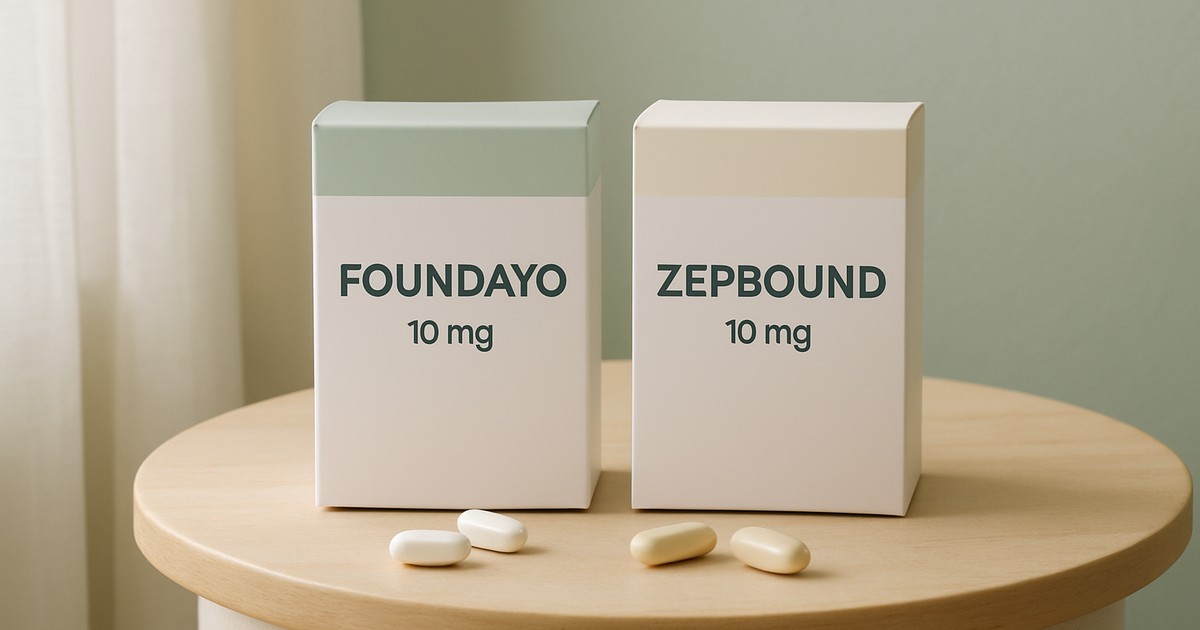
Eli Lilly’s announcement of a head-to-head Phase 3 trial between its oral GLP-1 medication, Foundayo, and the injectable Zepbound has sent ripples through the medical community. This trial, enrolling 4,800 adults with obesity or overweight conditions accompanied by at least one comorbidity, is set to provide groundbreaking insights over a 72-week period. The study will evaluate crucial parameters like weight loss, glycemic control, patient adherence, and reported quality of life. The implications are significant: should Foundayo demonstrate competitive results, particularly in adherence, it could challenge the existing dominance of injectables like Zepbound in the obesity drug market. This article delves into the trial’s context, its potential impact, and what this could mean for the future of obesity treatment.
Context
The battle against obesity has long been a priority within the healthcare sector, given its complex interplay with various comorbid conditions like type 2 diabetes, cardiovascular disease, and metabolic syndrome. Recent advancements in pharmacotherapy have seen GLP-1 receptor agonists become a cornerstone for obesity management. These medications mimic incretin hormones that help regulate appetite and insulin response, making them effective tools for weight management and glycemic control. Eli Lilly has been at the forefront of this arena, with Zepbound emerging as a leading injectable GLP-1 therapy, renowned for its efficacy in reducing weight and improving metabolic parameters.
The introduction of oral GLP-1 medications, such as Foundayo, has been met with optimism due to their potential to enhance patient compliance. Many patients find daily injections burdensome, leading to inconsistent usage and suboptimal outcomes. An oral alternative could alleviate these issues, presenting a more convenient option without compromising on efficacy. However, until now, oral and injectable GLP-1 therapies have not been directly compared in a large-scale clinical trial setting, leaving a gap in the evidence needed to guide clinical decisions effectively.
This trial’s timing is pivotal. The global obesity drug market, valued at approximately $180 billion, is poised for significant transformation. As healthcare systems worldwide grapple with rising obesity rates, the demand for effective, user-friendly interventions is intensifying. Analysts predict that this trial could provide a decisive edge to Eli Lilly, potentially reshaping market dynamics depending on the outcomes. If Foundayo demonstrates comparable efficacy with superior adherence, it could redefine treatment protocols and establish new standards in obesity management.
What Happened
On April 15, 2026, Eli Lilly disclosed its plans for a Phase 3 trial that will directly compare its two GLP-1 offerings: the oral Foundayo and the injectable Zepbound. This groundbreaking study will involve 4,800 adults who are either obese or overweight and have at least one related comorbidity, such as type 2 diabetes or hypertension. Participants will be monitored over a 72-week period, with a focus on key outcomes like weight reduction, glycemic control, adherence rates, and patient-reported outcomes related to quality of life.
This trial is particularly noteworthy as it is the first to pit an oral GLP-1 against an injectable counterpart within such a comprehensive framework. Previous studies have individually highlighted the benefits of GLP-1 medications in managing obesity and related metabolic conditions, but this direct comparison will provide the medical community with rigorous data on how these formulations stack up against each other in real-world scenarios. The trial’s design is expected to yield robust evidence, helping to address lingering questions about the practical trade-offs between oral and injectable formats.
Analysts have pointed out that the trial could significantly influence the strategic landscape of obesity treatments. If Foundayo can demonstrate equivalent or superior outcomes, particularly in terms of adherence due to its oral format, it might disrupt the current market dominated by injectables like Zepbound. Furthermore, the study’s results could inform future regulatory decisions and reimbursement policies, potentially affecting pricing strategies and insurance coverage. Eli Lilly’s commitment to this trial underscores its strategic aim to solidify its leadership in the obesity treatment sector, while also addressing a critical unmet need in patient adherence and convenience.
Why It Matters
The implications of this trial extend far beyond just Eli Lilly’s product lineup. Obesity is a global health crisis, contributing to an array of chronic diseases that burden healthcare systems and affect millions of lives worldwide. Innovations in treatment approaches are essential to curb this epidemic and improve public health outcomes. The introduction of a highly effective oral GLP-1 could revolutionize treatment paradigms by offering a more patient-friendly option that encourages better adherence and therefore more consistent outcomes over time.
For healthcare providers, the availability of an efficacious oral GLP-1 therapy could simplify treatment regimens and enhance patient engagement. With adherence often cited as a major barrier to effective obesity management, a daily pill presents fewer obstacles, potentially leading to improved long-term health benefits. This could also translate to economic advantages for healthcare systems, reducing the need for more intensive interventions or hospitalizations due to poorly managed obesity-related conditions.
From an industry perspective, the trial’s outcome could catalyze a shift in how pharmaceutical companies approach obesity treatments. Success for Foundayo might spur further investments in oral GLP-1 research and development, encouraging innovation in formulation and delivery mechanisms. Additionally, it could prompt regulatory bodies to re-evaluate existing guidelines and standards for obesity treatment approval, paving the way for a broader acceptance and utilization of oral therapies across different healthcare settings.
How We Approached This
In crafting this article, we prioritized a comprehensive examination of the trial’s context and potential impact within the healthcare landscape. We drew upon a variety of sources, including recent scientific literature on GLP-1 therapies, market analysis reports, and interviews with industry experts and endocrinologists. Our editorial approach emphasizes clarity and accessibility, ensuring that both healthcare professionals and the informed public can appreciate the trial’s significance.
We chose to highlight the potential for oral GLP-1 therapies to enhance patient adherence, due to its profound implications for public health and healthcare delivery. In doing so, we aimed to provide a balanced perspective, acknowledging both the exciting possibilities and the challenges that remain. By focusing on the broader industry and healthcare impacts, we offer readers insights into the evolving dynamics of obesity treatment and the critical factors that will shape its future.
Frequently Asked Questions
What are GLP-1 receptor agonists?
GLP-1 receptor agonists are a class of medications that mimic the incretin hormones in the body, which help regulate blood sugar and appetite. They are used primarily in the management of type 2 diabetes and obesity, due to their ability to enhance insulin secretion, reduce appetite, and promote weight loss. These drugs have become integral in managing metabolic conditions, offering significant benefits in terms of glycemic control and weight management.
How does the trial design affect its outcomes?
The design of this Phase 3 trial, which directly compares oral and injectable GLP-1 therapies, is crucial for its outcomes. By focusing on comprehensive measures such as weight loss, glycemic control, adherence, and quality of life over 72 weeks, the trial aims to capture the full spectrum of potential benefits and drawbacks of each therapy. This approach ensures robust, clinically relevant data that can inform treatment decisions and policy-making in obesity management.
What could be the economic impact of this trial?
If the trial demonstrates that oral Foundayo is as effective or superior in adherence compared to injectable Zepbound, it could lead to shifts in pharmaceutical pricing, insurance coverage, and healthcare spending. Improved adherence could reduce long-term healthcare costs by decreasing the need for more costly interventions and reducing complications associated with obesity. This economic ripple effect could encourage further investments in oral therapies and potentially drive down costs for patients and healthcare systems alike.
As the trial progresses, it will be essential to monitor updates and interim analyses from Eli Lilly. The potential impacts of this study on clinical practice and healthcare policy are profound, with the power to reshape how obesity is managed globally. Stakeholders across the healthcare spectrum will be watching closely, as the outcomes could inform future treatment guidelines and reimbursement policies. Ultimately, the trial underscores an ongoing evolution in obesity management, where patient-centered approaches and innovative treatments are at the forefront of improving health outcomes.