
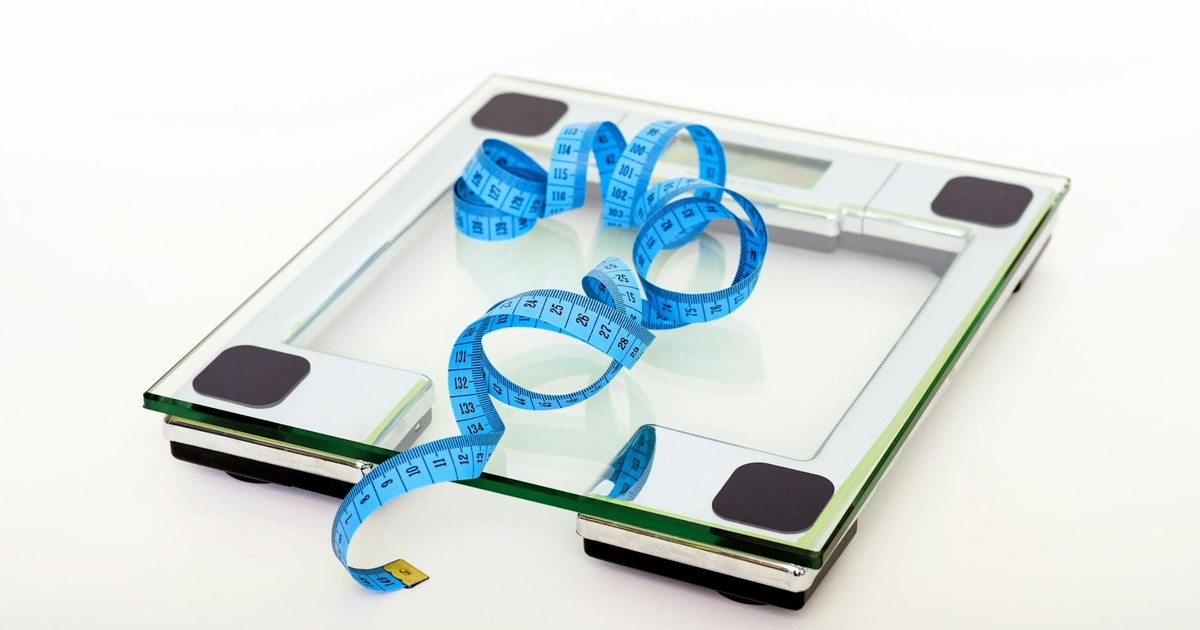
Body Mass Index, or BMI, is a simple calculation that compares your weight to your height. It’s a widely used tool to help assess whether your weight might put you at risk for certain health issues. For adults aged 20 and older, BMI results fall into four main categories: a score below 18.5 is considered underweight, 18.5 to 24.9 indicates a healthy weight, 25.0 to 29.9 is classified as overweight, and 30.0 or above signifies obesity.
It’s important to note that BMI classifications can vary based on ethnicity. For example, people of Asian descent may face greater health risks at lower BMI levels. In this group, a BMI between 23 and 25 might be considered overweight, while a BMI of 25 or greater could indicate obesity.
For children and teenagers under 20, BMI is interpreted differently. Instead of fixed categories, it’s expressed as a percentile that compares a child to others of the same age and sex. This approach accounts for the natural changes in body composition during growth. The percentiles are grouped as follows: less than the 5th percentile is underweight, 5th to less than 85th percentile is a healthy weight, 85th to less than 95th percentile is overweight, and equal to or greater than the 95th percentile indicates obesity.
BMI serves as a screening tool to flag potential weight-related health concerns. However, it has significant limitations because it doesn’t directly measure body fat. One key factor it overlooks is the location of body fat. Subcutaneous fat lies just beneath the skin and is visible, but visceral fat accumulates around internal organs and poses a greater health risk. High levels of visceral fat are linked to increased chances of developing diabetes, heart disease, certain cancers, and other serious conditions.
Age is another variable that BMI doesn’t account for. Body fat as a percentage of total weight typically begins to rise around age 30. Sex also plays a role; at the same BMI, women or individuals assigned female at birth tend to have about 10% more body fat than men or those assigned male at birth.
Differences in race or ethnicity can influence body composition at the same BMI, affecting factors like bone density, body fat percentage, and overall size. Muscle mass is another critical element BMI misses. Since it only measures weight relative to height, it can’t distinguish between muscle and fat. A highly muscular person might have the same BMI as someone with higher body fat, leading to misleading categorizations.
BMI should not be used during pregnancy to determine a healthy weight. If you’re pregnant, consult your doctor to discuss an appropriate weight range for this stage of life.
While BMI can indicate whether you fall into a weight category that may elevate your risk for serious health problems, it doesn’t define you as “fat” or “skinny.” It also cannot diagnose health conditions or determine overall wellness on its own. Discuss your BMI and weight with your healthcare provider to understand how it fits into your broader health picture and to make informed decisions tailored to your needs.