
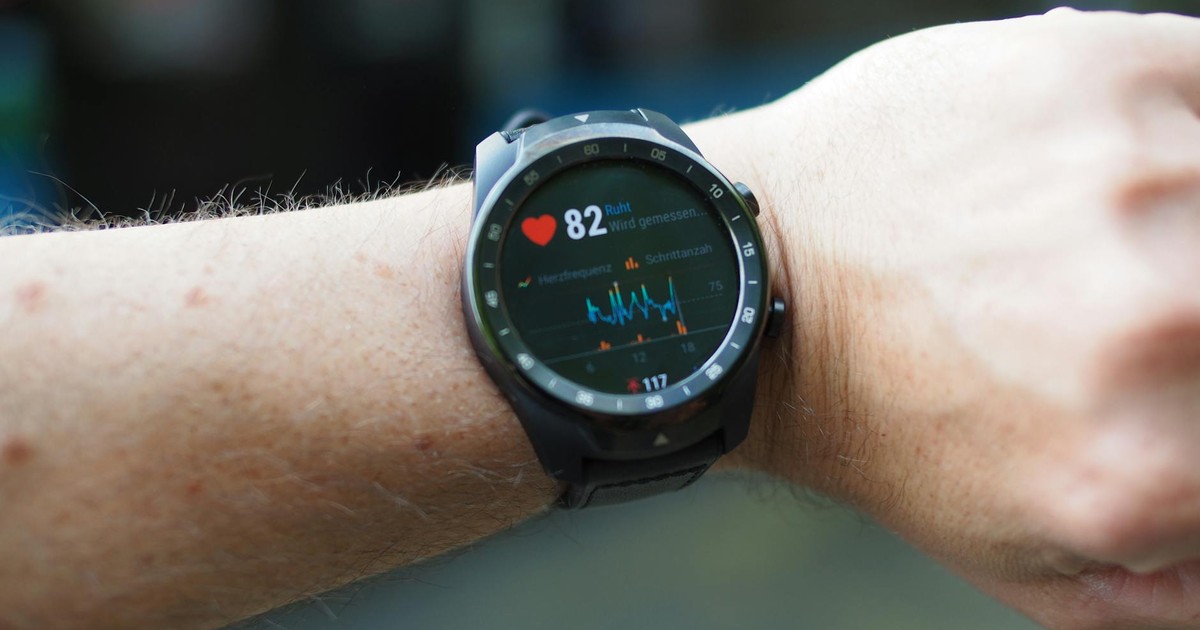
Whether you view exercise as a challenging necessity or a rewarding pastime, maximizing the benefits of your workouts is key to achieving your health goals. By exercising at the appropriate intensity, you can ensure you’re pushing yourself effectively without overdoing it. For those focused on weight loss, higher-intensity workouts can help burn more calories, but understanding how to balance this with overall cardiovascular health is crucial. Let’s explore the concepts of cardio and fat-burning heart rates to help you tailor your fitness routine for optimal results.
What Is Cardio Exercise?
Cardio, also known as aerobic or endurance exercise, offers numerous health benefits. Engaging in moderate-to-vigorous cardio sessions weekly can accumulate to significantly improve heart health. Examples of aerobic activities include brisk walking, swimming, mowing the lawn, jogging, rowing, stair climbing, and spinning. As one of four exercise categories alongside strength, balance, and flexibility training, cardio is essential for enhancing overall fitness, particularly for the health of your heart, lungs, and circulatory system. Regular cardio can reduce the risk of diseases such as diabetes, heart disease, and stroke.

Assessing Exercise Intensity for Fat Burning
When evaluating how hard you’re working out, consider both subjective feelings and objective heart rate measurements. Perceived exertion is a personal gauge of intensity—what feels like a strenuous run to one person might be an easy jog to another. This subjective measure helps you tune into your body’s signals during exercise.
Heart rate provides a more objective way to assess intensity. Generally, a higher heart rate during exercise indicates greater intensity and a higher likelihood of fat burning. Activity trackers, such as wrist monitors, can help you track your heart rate and correlate it with perceived exertion, giving you a clearer picture of when you’re in a fat-burning state.
Calculating Your Fat-Burning Heart Rate
To determine your target heart rate for fat burning, start by calculating your maximum heart rate. Subtract your age from 220. For instance, if you’re 30 years old, 220 minus 30 gives a maximum heart rate of 190 beats per minute, which represents the upper limit your heart should reach during exercise.
The American Heart Association recommends aiming for 50% to 70% of your maximum heart rate during moderate exercise and 70% to 85% for vigorous intensity. If you’re new to exercising, begin at the lower end of your target zone and gradually increase intensity as your fitness improves. Maintaining moderate-to-vigorous intensity can help you enter the fat-burning heart rate zone. Additionally, incorporating strength training can boost your metabolic rate, leading to more calories burned at rest and throughout the day, even after workouts.
Fat is burned during every exercise session, with the amount dependent on your intensity level and duration. The more you work out, the greater the cardiovascular improvements you’ll likely see.
Understanding Cardio Heart Rate
As you build stamina through regular exercise, you can push yourself to reach a higher cardio heart rate. This occurs when your heart rate reaches the aerobic level, approaching a higher percentage of your maximum heart rate. Once you can comfortably achieve this, it’s a sign your heart is growing stronger. Cardio exercise is excellent for heart and metabolic health, helping to lower blood pressure, cholesterol, and blood sugar levels.
Key Differences Between Fat-Burning and Cardio Heart Rates
Your heart rate zones are defined by percentages of your maximum heart rate. Exercising too close to your maximum can place unhealthy strain on your body, so knowing the distinction between fat-burning and cardio heart rates helps you gauge how much to push in different activities. Efficiently reaching target zones can enhance cardiovascular health. Heart rate zones are typically divided into three levels based on training intensity relative to your maximum heart rate.
Lower-intensity zone: At 50% to 60% of your maximum heart rate, you burn fewer calories but can sustain this rate for longer periods.
Fat-burning zone: Also called the temperate zone, this involves 60% to 70% of your maximum heart rate. Approximately 65% of calories burned in this zone come from fat.
Aerobic (cardio) zone: This highest intensity level uses about 70% to 80% of your maximum heart rate. Here, only 45% of calories burned are from fat, but you burn more total calories than in the other zones. While not maximizing fat calories burned, this zone improves overall health, though it may be difficult to sustain for extended periods.
Practical Takeaways for Safe and Effective Workouts
Remember that your calculated maximum heart rate is a guideline; individual variations mean you might have a higher or lower actual rate. To determine your specific target zones, consult with a doctor or personal trainer. Note that certain medications, such as those intended to lower blood pressure, may reduce your maximum heart rate, so it’s important to discuss any vigorous exercise plans with your healthcare provider first.
By paying attention to how you feel and monitoring your target heart rate zones, you can optimize your workouts. Avoid pushing yourself too hard or too quickly—building stamina and improving heart health gradually is essential for safe and sustainable fitness progress.