
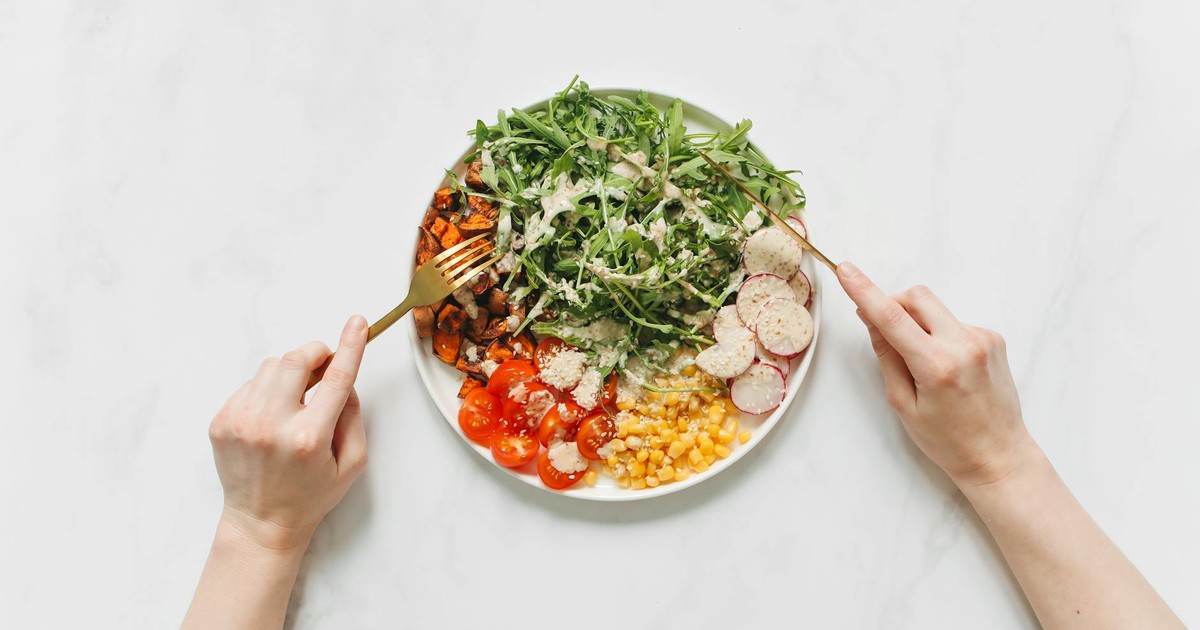
In a world saturated with restrictive diets and conflicting nutrition advice, intuitive eating offers a refreshing alternative. This approach, developed by dietitians Evelyn Trebole and Elyse Resch, shifts the focus from external food rules to internal body signals. Instead of labeling foods as “good” or “bad,” it encourages you to listen to your hunger and fullness cues, eating what feels right for your physical and mental well-being. As Dr. Dana Hunnes, a senior dietitian at UCLA Health, notes, “On its face, intuitive eating seems like it can be a great way of relating to food. I think in most cases, it is a good way to think about eating. However, there may be instances (few and far between) where it may pose a health risk.”
Intuitive eating is not about indulging without limits; it’s about tapping into your body’s natural ability to guide your eating habits. By letting go of weight-focused goals, this method aims to foster a healthier relationship with food. Let’s explore how to practice it, its potential benefits, and important caveats to consider.
Core Principles of Intuitive Eating
To embrace intuitive eating, start by rejecting traditional diets. Strict food rules often fail to support long-term weight loss and can lead to nutrient deficiencies or even eating disorders. When you limit foods, your body might not get the nutrients it needs to function optimally. Instead, trust your body to signal when it’s hungry. Eat a variety of foods to ensure nutritional needs are met, and avoid ignoring hunger pangs until they become intense, which can lead to overeating or poor food choices.
Pay close attention to feelings of fullness. During meals, pause frequently to assess your hunger levels and savor the experience. When you feel satisfied and content, you’ll know you’ve had enough. Choose foods that make you feel good both physically and emotionally, as depriving yourself can trigger cravings or binge eating. Moderation is key—for example, the “80-20 Pareto Principle” suggests choosing healthy, nonprocessed foods at least 80% of the time while allowing indulgences 20% of the time. One bite of chocolate won’t cause weight gain overnight, but consistent choices impact health over time.
Respect your emotions by recognizing when you eat to cope with feelings like anxiety, loneliness, anger, or boredom. Eating won’t resolve these underlying issues; if this happens often, consider speaking with a therapist to address the root causes.
Potential Benefits and Who It Might Suit
While more research is needed, some studies indicate that those who practice intuitive eating consistently may not necessarily lose weight but tend to have a lower body mass index (BMI) and better mental health. This approach can help shift focus from appearance to overall wellness, promoting a balanced lifestyle.
However, intuitive eating isn’t for everyone. Individuals with health conditions such as diabetes or high blood pressure may need to follow specific dietary restrictions to manage their conditions. If you’re considering trying intuitive eating, consult your doctor first. For personalized guidance, a registered dietitian or nutritionist can help create a meal plan that aligns with intuitive principles while addressing your unique needs.
Understanding the Risks and Caveats
The main risk of intuitive eating, as highlighted by Dr. Hunnes, stems from its rejection of “good” versus “bad” food labels. She agrees with the philosophy in spirit but cautions, “there truly are some foods out there that we simply should eat less of — specifically, ultraprocessed foods, which are high in calories, sugar, fat, and low in nutrients [and] nutritional value.” Without clear boundaries, some people might overeat ultraprocessed items or make less healthy choices when hungry, potentially letting the “20%” indulgence allowance creep up.
Practicing intuitive eating doesn’t guarantee a balanced diet. If you freely indulge in sweet, salty, or fattening foods, you might neglect nutritious whole foods like fruits, vegetables, lean proteins, and whole grains. Over time, increased consumption of processed foods can heighten cravings for them. Dr. Hunnes adds, “Hopefully, most individuals who intuitively eat are not eating a lot of ultraprocessed foods.”
Key Takeaways and Practical Insights
Intuitive eating encourages a mindset shift: avoid diets, eat when hungry, be mindful of fullness, and recognize emotional eating triggers. While it might not lead to weight loss, research suggests it can support lower BMIs and improved mental health. The primary risk involves overeating unhealthy ultraprocessed foods high in calories, sugar, sodium, or fat.
Frequently Asked Questions
Can you lose weight while eating intuitively? Dr. Hunnes explains, “If you are truly listening to your hunger and fullness cues as opposed to eating based on a schedule or based on how much food you are served or portioned, then it seems that you ought to be able to lose weight (if that’s what you’re trying to do) while eating intuitively.” However, she notes that during weight loss, your body might feel hungrier at a lower weight, potentially leading to weight regain if you follow those cues, suggesting our bodies have comfortable “set points.”
Will I gain weight if I start intuitive eating? This depends on your body’s natural set weight and how you respond to signals. Dr. Hunnes says, “Again, if you’re truly listening to your hunger and fullness cues, and you are at your ‘set’ weight, it would seem unlikely that you would begin to gain weight. If you are below your ‘set’ weight or are underweight and are listening to your cues, you might begin to gain weight if you are hungrier or eating more to meet those fullness cues.”
What is the difference between intuitive eating and mindful eating? According to Dr. Hunnes, “Intuitive eating is more of a lifestyle way of eating, and it removes the notion of good vs. bad foods.” It involves trusting your body to choose foods based on hunger and fullness without moral judgment. In contrast, “Mindful eating is more of an ‘in-the-moment’ way of thinking about food and eating,” focusing on attention to each bite’s sensory experience and bodily feelings. You can incorporate mindful eating into an intuitive practice for a more holistic approach.