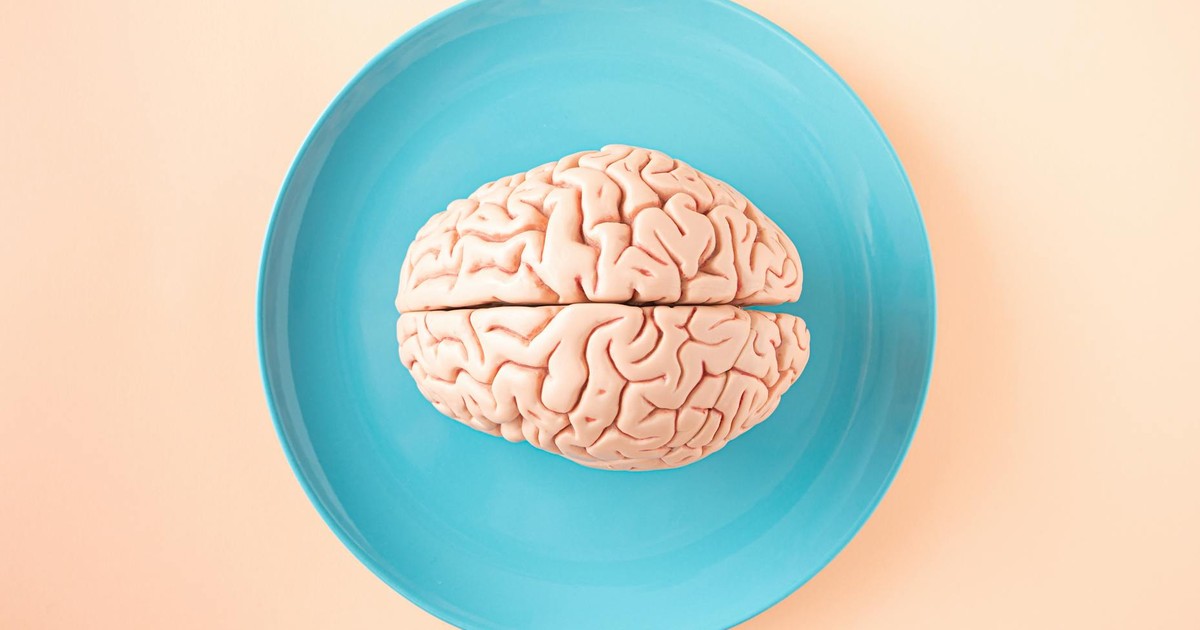
Have you ever felt “butterflies” in your stomach before a big presentation? Or experienced a “gut-wrenching” feeling after bad news? These common phrases are more than just metaphors; they are intuitive acknowledgments of a powerful, biological reality. Your gut and your brain are in constant, intimate conversation, and the food you eat is the primary language they speak. This dialogue, known as the gut-brain connection, is revolutionizing our understanding of mental health, cognitive function, and overall well-being.
For decades, we viewed the brain as the command center, issuing orders to the rest of the body. Today, we know it’s a two-way street, with the gut sending just as many signals upward as it receives. This means your dietary choices don’t just affect your waistline—they directly influence your mood, stress levels, focus, and mental clarity. Let’s explore the fascinating science behind this connection and how you can nourish your mind by feeding your gut.
The Highway of Communication: Your Vagus Nerve and Chemical Messengers
The gut and the brain are physically linked by a massive information superhighway called the vagus nerve. This cranial nerve runs from your brainstem all the way down to your abdomen, transmitting signals in both directions. When your gut is unhappy—perhaps due to inflammation or an imbalance of bacteria—it sends distress signals up the vagus nerve to the brain, which can manifest as anxiety, brain fog, or low mood.

But the communication doesn’t stop there. Your gut is also a prolific chemical factory, producing a vast array of neurotransmitters. Astonishingly, about 90% of your body’s serotonin—a key neurotransmitter responsible for regulating mood, sleep, and appetite—is manufactured in the digestive tract, not the brain. Other crucial brain chemicals, like gamma-aminobutyric acid (GABA, which helps control fear and anxiety) and dopamine (involved in motivation and pleasure), are also heavily influenced by gut bacteria.
The Microbiome: Your Internal Ecosystem
At the heart of the gut-brain axis lies the microbiome: the trillions of bacteria, fungi, and viruses that call your intestines home. Think of it as a diverse, internal ecosystem. A rich and balanced microbiome is associated with resilience, both physically and mentally. Conversely, an imbalanced microbiome, known as dysbiosis, has been linked to a host of issues, including:
- Depression and anxiety
- Chronic fatigue and low energy
- Difficulty concentrating and “brain fog”
- Increased stress reactivity
These microbes don’t just produce chemicals; they also help manage inflammation. Chronic, low-grade inflammation in the body can directly impact the brain, contributing to depressive symptoms and cognitive decline. A healthy gut microbiome helps keep this inflammatory response in check, protecting your brain in the process.
Food as Information: What to Eat for a Happier, Sharper Mind
Every meal is an opportunity to support or disrupt this delicate system. The goal isn’t perfection, but a consistent pattern of eating that feeds your beneficial gut bacteria and reduces dietary stressors.
Nourish with Prebiotics and Probiotics
To cultivate a thriving microbiome, you need to both seed and feed it.
- Probiotics are the “seeds”—live beneficial bacteria found in fermented foods. Include:
- Yogurt and kefir (look for “live and active cultures”)
- Sauerkraut and kimchi (unpasteurized)
- Kombucha
- Miso and tempeh
- Prebiotics are the “food”—fibers that these good bacteria eat to thrive. Load up on:
- Garlic, onions, and leeks
- Asparagus and artichokes
- Bananas (especially slightly green ones)
- Oats and barley
Focus on Anti-Inflammatory, Whole Foods
A diet high in processed foods, refined sugars, and unhealthy fats can promote gut inflammation and dysbiosis. Instead, build your plate around:
- Colorful fruits and vegetables: Packed with antioxidants that combat oxidative stress in the brain and gut.
- Healthy fats: Omega-3 fatty acids from fatty fish (salmon, mackerel), walnuts, and flaxseeds are powerfully anti-inflammatory and crucial for brain cell structure.
- High-quality fiber: From whole grains, legumes, nuts, and seeds. Fiber is the preferred fuel for your gut bacteria and promotes a healthy gut lining.
Be Mindful of Common Culprits
While individual tolerances vary, some dietary patterns are notorious for disrupting the gut-brain axis:
- Highly Processed Foods: Often low in fiber and high in emulsifiers and additives that may harm the gut lining.
- Excess Sugar and Refined Carbs: Can fuel the growth of less beneficial bacteria and yeast, leading to imbalance.
- Artificial Sweeteners: Some studies suggest certain sweeteners like aspartame and sucralose may negatively alter the microbiome.
Beyond Food: Lifestyle’s Role in the Gut-Brain Dialogue
While diet is paramount, it works in concert with other lifestyle factors that influence your gut and brain health.
Stress Management is Non-Negotiable
Chronic stress can literally change the composition of your gut bacteria and increase intestinal permeability (sometimes called “leaky gut”), allowing inflammatory compounds to enter the bloodstream. Practices like meditation, deep breathing, yoga, and regular time in nature can calm your nervous system and, in turn, soothe your gut.
Prioritize Sleep
Poor sleep disrupts the circadian rhythm of your gut microbes and increases stress hormones. Aim for 7-9 hours of quality sleep per night to give both your brain and gut the restoration they need.
Move Your Body Regularly
Exercise increases microbial diversity and promotes the growth of bacteria that produce beneficial short-chain fatty acids, which have anti-inflammatory effects on the brain.
Listening to Your Gut: A Practical Starting Point
Feeling overwhelmed? Start small. You don’t need a complete diet overhaul to make a positive impact.
- Conduct a “Gut Check”: For one week, simply notice. How do you feel after different meals? Energized or sluggish? Clear-headed or foggy? This builds awareness.
- Add One Thing: Choose one probiotic or prebiotic-rich food to incorporate daily, like a tablespoon of sauerkraut on your salad or a daily yogurt.
- Swap One Thing: Replace a processed snack with a whole-food option, like an apple with almond butter instead of a packaged bar.
- Hydrate: Drink plenty of water throughout the day to support digestion and the mucosal lining of your gut.
The journey to better mental clarity and a more stable mood is not just about what’s happening in your mind, but profoundly about what’s happening in your gut. By viewing food as foundational information for this critical axis, you empower yourself to make choices that support resilience, focus, and emotional balance from the inside out.
Remember, this connection is a powerful reminder of your body’s innate wisdom. That feeling in your gut? It’s worth listening to. Nourish it with intention, and it will repay you with a clearer, calmer, and more vibrant state of mind.